5 Digital Channels Every Business Needs to Grow Online
Introduction
In 2026, the digital landscape is more crowded and competitive than ever. If you’re running a business in the USA, relying on a single marketing channel is no longer enough to drive sustainable growth. Customers today discover, research, and purchase products across multiple touchpoints—often interacting with your brand 5-7 times before making a buying decision.
The question isn’t whether you should invest in digital marketing. The real question is: which digital channels should you prioritize to maximize your ROI?
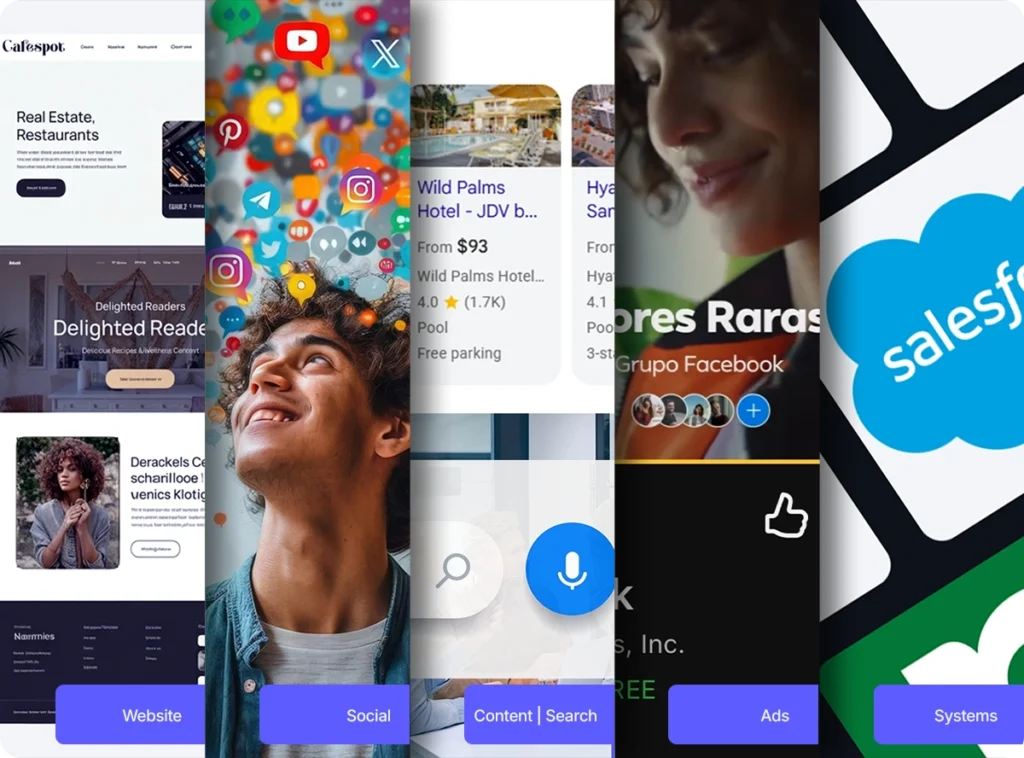
That’s where this guide comes in. We’ll break down the 5 essential digital channels every business needs to grow online, explain how they work together, and show you exactly how to implement them for measurable results. Whether you’re a startup looking to gain traction or an established company scaling up, these channels form the foundation of a successful digital growth strategy.
Table of Contents
Why Your Business Needs a Multi-Channel Digital Strategy
Before diving into the specific channels, it’s important to understand why a multi-channel approach matters.
The Modern Customer Journey Is Complex
Today’s buyers don’t follow a linear path. They might:
- See your brand on Instagram
- Search for your service on Google
- Read your blog post comparing solutions
- Watch a YouTube review
- Finally convert via email
Each touchpoint builds trust and moves them closer to purchase. Missing any of these channels means losing potential customers along the way.
| Benefit | Impact |
| Wider reach | Touch customers where they already spend time |
| Risk diversification | Don’t rely on one platform’s algorithm |
| Higher conversion rates | Reinforce messaging across channels |
| Better ROI | Allocate budget to highest-performing channels |
| Stronger brand recall | Consistent presence builds trust |
According to marketing research, businesses using 3+ digital channels achieve 287% higher purchase rates compared to single-channel businesses
1. Search Marketing (SEO + SEM)
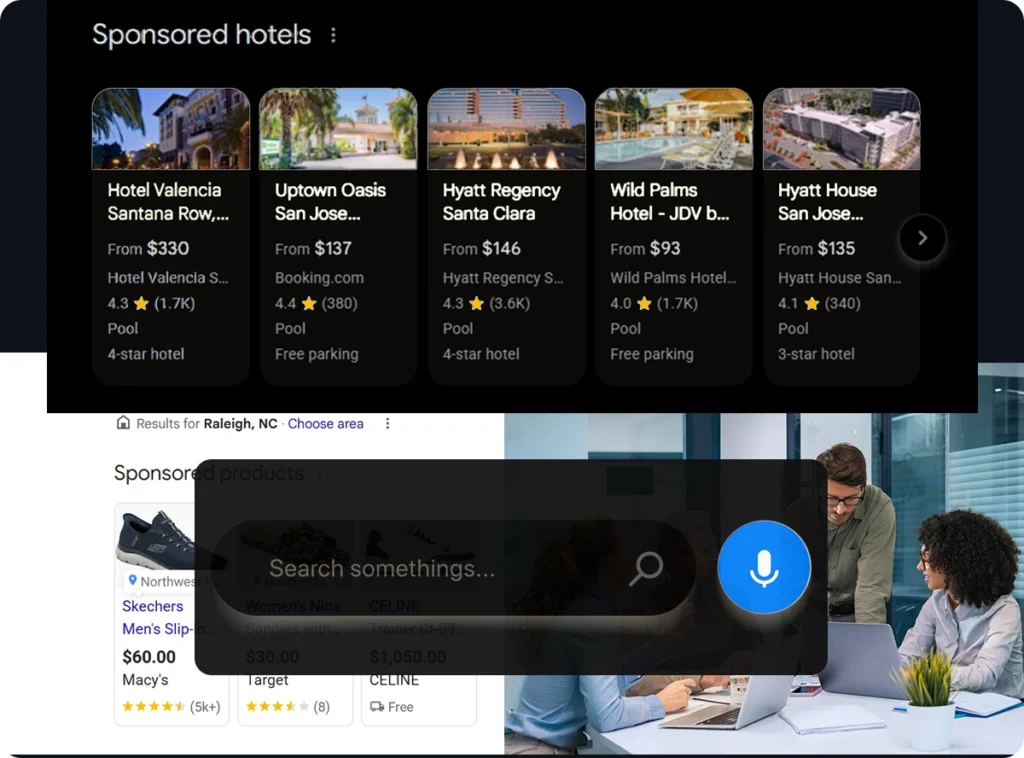
Search marketing captures users with high purchase intent—people actively searching for solutions like yours on Google or Bing.
What Is SEO (Search Engine Optimization)?
SEO is the practice of optimizing your website to rank higher in organic (non-paid) search results. It includes:
- Technical SEO: Site speed, mobile-friendliness, crawlability
- On-page SEO: Keyword optimization, meta tags, internal linking
- Off-page SEO: Backlinks, domain authority, brand mentions
- Content SEO: Creating valuable content that answers user queries
Time to results: 3–6 months for meaningful organic traffic growth
What Is SEM (Search Engine Marketing)?
SEM uses paid advertisements (Google Ads, Bing Ads) to appear at the top of search results immediately. You pay per click (PPC), and ads show for specific keywords you bid on.
Time to results: Immediate visibility once campaigns launch
Why Search Marketing Is Essential
| Reason | Explanation |
| High intent | Users searching are actively looking to buy |
| Scalable | SEO compounds over time; SEM scales with budget |
| Measurable | Every click, lead, and conversion is trackable |
| Competitive necessity | If you’re not on page 1, competitors are |
How to Get Started with Search Marketing
For SEO:
- Conduct keyword research to find terms your customers search for
- Optimize existing pages (title tags, meta descriptions, headers)
- Create high-quality content targeting informational and commercial keywords
- Build authoritative backlinks from relevant websites
- Improve site speed and mobile experience
For SEM:
- Start with a small budget ($500–$1,000/month)
- Target high-intent commercial keywords (e.g., “best marketing agency USA”)
- Write compelling ad copy with clear CTAs
- Use conversion tracking to measure ROI
- Refine based on performance data weekly
Real-World Example
A USA-based SaaS company increased organic sign-ups by 340% in 8 months by publishing 40+ blog posts targeting long-tail keywords and optimizing their product pages for SEO.
2. Social Media Marketing
Social media is your primary channel for awareness and daily engagement, putting your brand in users’ feeds through posts, stories, videos, and conversations.
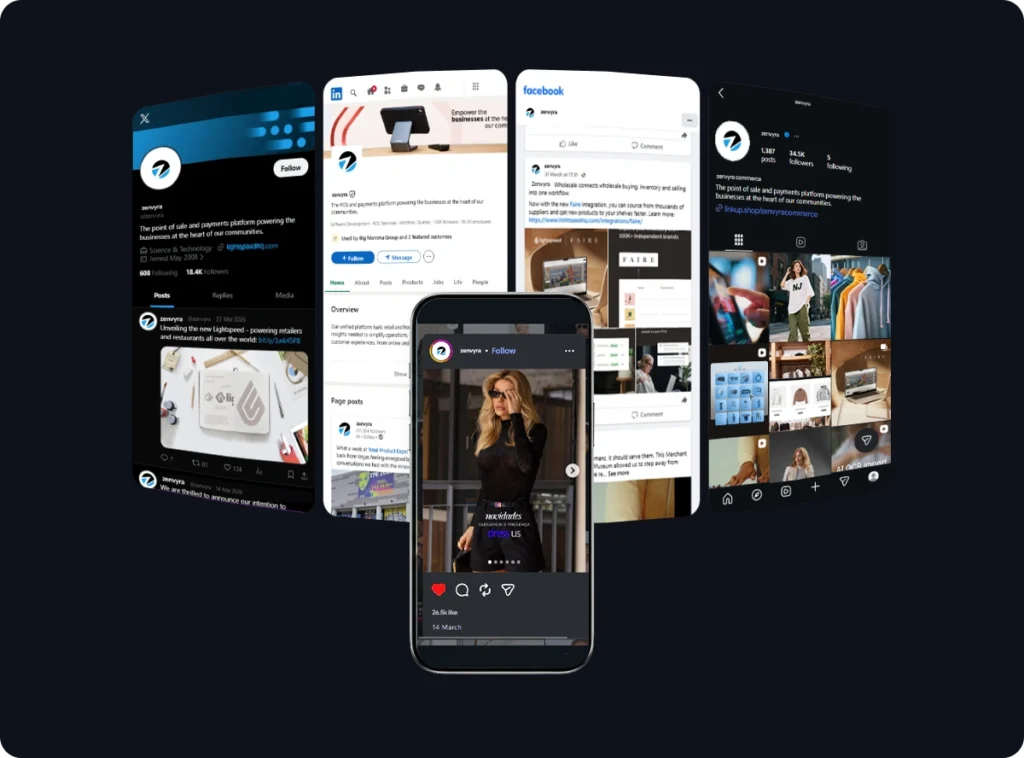
Top Social Platforms for Business in 2026
| Platform | Best For | Ideal Audience |
| B2B lead generation, professional branding | Business professionals, decision-makers | |
| Visual products, lifestyle brands, Gen Z/Millennials | Consumers 18–45 | |
| Local businesses, community building | Broad demographic 25–65 | |
| TikTok | Viral reach, short-form video, younger audiences | Gen Z, Millennials |
| X (Twitter) | Real-time updates, news, thought leadership | Professionals, journalists |
| YouTube | Long-form video, tutorials, reviews | All ages searching video content |
Why Social Media Marketing Is Essential
- Massive reach: Over 4.9 billion people use social media globally
- Brand building: Humanizes your business and builds trust
- Direct engagement: Respond to comments, DMs, and build relationships
- Cost-effective: Organic reach is free; paid ads are highly targetable
- Social proof: Reviews, testimonials, and user-generated content
How to Get Started with Social Media Marketing
- Choose 2–3 platforms where your audience actually spends time (don’t spread too thin)
- Create a content calendar with consistent posting (3–5 times/week minimum)
- Mix content types: Educational posts, behind-the-scenes, user-generated content, promotions
- Engage daily: Reply to comments, join conversations, network with peers
- Use paid ads strategically: Boost top-performing posts or run targeted campaigns
Content Formats That Work in 2026
In 2026, short-form video, interactive formats (polls, Q&As, live streams), and community-driven content dominate social media
- Short-form video: Reels, TikToks, Shorts (15–60 seconds)
- Carousels: Multi-slide educational posts on LinkedIn/Instagram
- Stories: Ephemeral content for daily engagement
- Live video: Q&As, product launches, behind-the-scenes
- User-generated content: Customer testimonials, reviews, unboxings
Real-World Example
A DTC skincare brand grew from 5K to 150K Instagram followers in 12 months by posting daily Reels showing product tutorials, customer transformations, and skincare tips—driving $2.3M in revenue from social.
3. Content Marketing
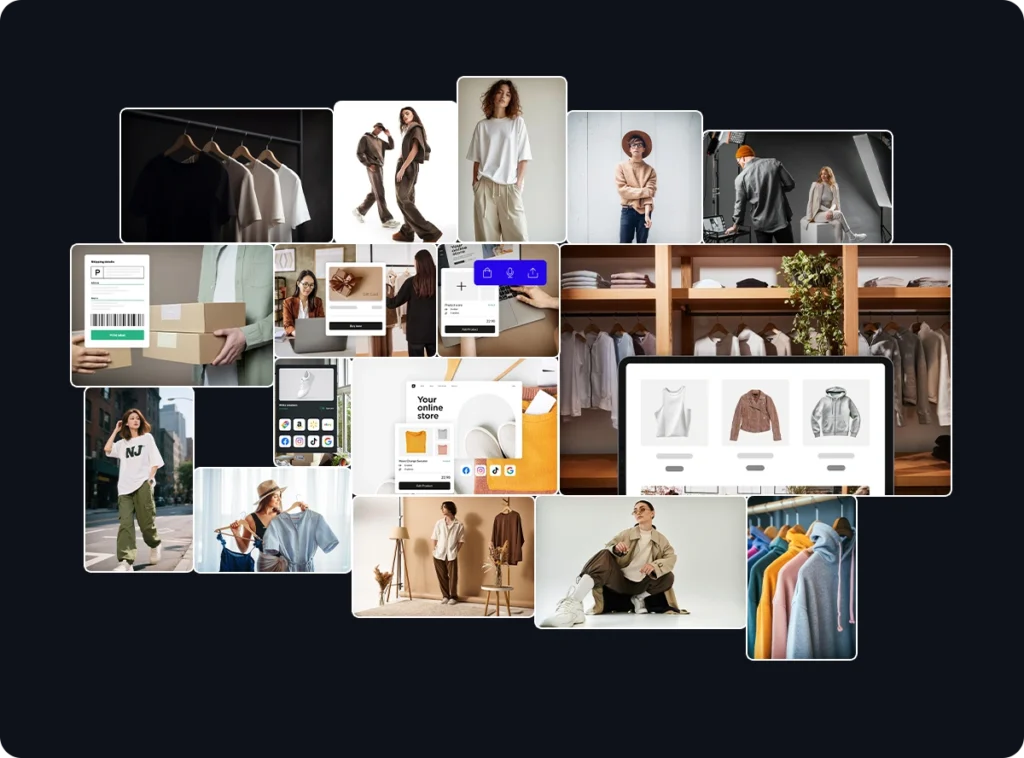
Content marketing focuses on answering user questions with blog posts, guides, videos, and resources that establish your brand as an authority.
Types of Content That Drive Growth
| Content Type | Purpose | Best For |
| Blog posts | SEO traffic, education | Top-of-funnel awareness |
| How-to guides | Lead generation, authority | Middle-of-funnel consideration |
| Case studies | Social proof, conversions | Bottom-of-funnel decision |
| Ebooks/whitepapers | Lead magnets, email capture | Lead generation |
| Webinars | Education, engagement | B2B lead nurturing |
| Infographics | Shareability, backlinks | Brand awareness |
Why Content Marketing Is Essential
- Compounding traffic: Quality content continues attracting visitors for years
- SEO foundation: Search engines reward helpful, detailed content that answers user questions and provides genuine value.
- Trust building: Shows expertise before asking for a sale
- Nurture leads: Helps prospects research and compare solutions
- Cost-effective: Organic traffic has no per-click cost
According to industry data, content marketing generates 3x more leads than traditional outbound marketing while costing 62% less.
How to Get Started with Content Marketing
- Keyword research: Find topics your audience searches for (use tools like Ahrefs, SEMrush, or Google Keyword Planner)
- Create pillar content: Write comprehensive guides (2,000+ words) on core topics
- Publish consistently: Aim for 2–4 blog posts per month minimum
- Optimize for SEO: Include target keywords naturally, add internal links, optimize meta tags
- Promote content: Share on social media, email newsletters, and outreach for backlinks
- Update old content: Refresh outdated posts to maintain rankings
Content Marketing Best Practices for 2026
- Write 2,000+ words for competitive topics (longer content ranks better)
- Include original data, charts, or research to stand out
- Use multimedia (images, videos, infographics) to increase engagement
- Focus on user intent, not just keyword stuffing
- Add clear CTAs to guide readers to the next step
Real-World Example
A B2B marketing agency published a comprehensive guide on “Social Media Strategy for 2026,” which now ranks #1 on Google, generates 15K monthly visitors, and captures 500+ qualified leads per year through embedded lead magnets.
4. Email Marketing
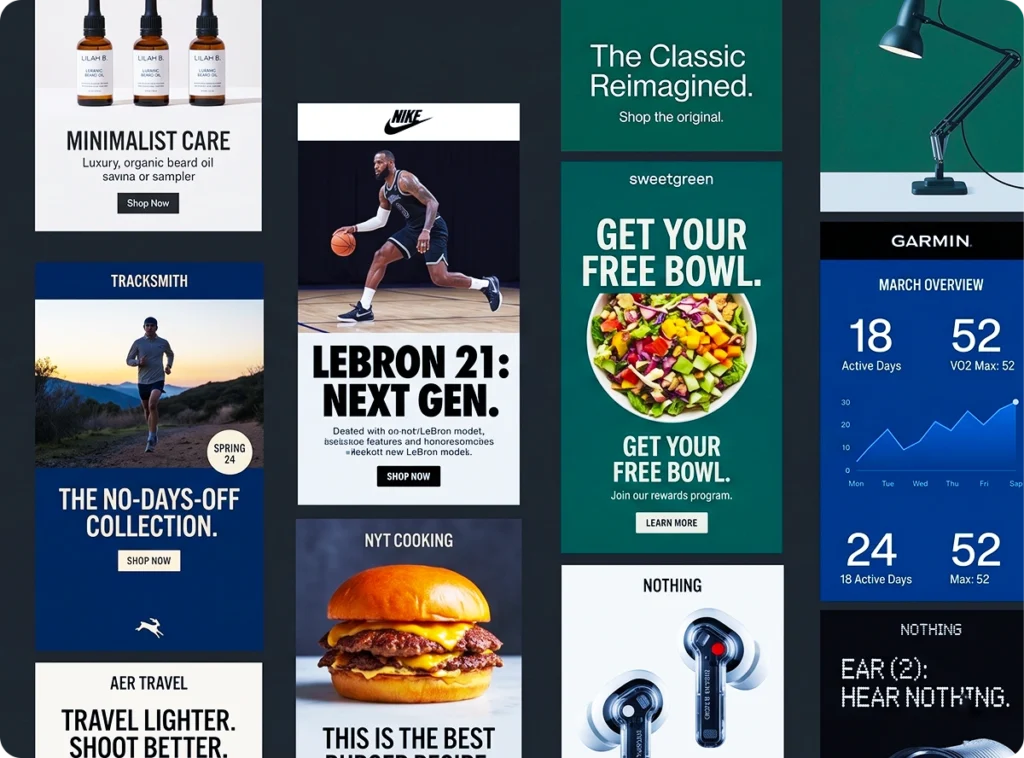
Email remains a reliable direct marketing channel because inbox delivery isn’t controlled by algorithms like social media feeds.
Why Email Marketing Still Works in 2026
| Advantage | Explanation |
| Owned audience | You control the list (unlike social media followers) |
| High ROI | Average ROI is $36 for every $1 spent hubspot |
| Personalization | Segment by behavior, preferences, purchase history |
| Automation | Set up flows that nurture leads while you sleep |
| Direct communication | No algorithm filtering your message |
Types of Email Campaigns That Drive Results
- Welcome series: Introduce your brand to new subscribers (3–5 emails)
- Newsletter: Weekly/monthly updates with valuable content
- Promotional emails: Product launches, sales, special offers
- Abandoned cart emails: Recover lost sales (30–40% recovery rate)
- Re-engagement campaigns: Win back inactive subscribers
- Drip campaigns: Nurture leads over time with automated sequences
How to Get Started with Email Marketing
- Build your list ethically:
- Add signup forms on your website
- Offer lead magnets (free guides, checklists, discounts)
- Never buy email lists (hurts deliverability)
- Choose an email platform:
- Mailchimp (beginners, small businesses)
- Klaviyo (e-commerce)
- HubSpot (B2B, advanced automation)
- ActiveCampaign (automation focus)
- Segment your audience:
- By demographics (location, industry)
- By behavior (pages visited, emails opened)
- By customer status (lead, customer, VIP)
- Write compelling emails:
- Strong subject lines (increase open rates)
- Personalized content (use first names, recommend based on past purchases)
- Clear CTAs (one primary action per email)
- Mobile-optimized design (60%+ reads on mobile)
- Test and optimize:
- A/B test subject lines, CTAs, send times
- Track open rates, click-through rates, conversions
- Clean your list regularly (remove inactive subscribers)
Email Marketing Best Practices
- Keep emails concise and scannable (short paragraphs, bullet points)
- Send consistent cadence (weekly or bi-weekly)
- Focus on value first, promotion second (80/20 rule)
- Use automation for welcome sequences and abandoned carts
- Monitor deliverability metrics (bounce rate, spam complaints)
Real-World Example
An e-commerce brand increased revenue by 45% in 6 months by implementing abandoned cart email flows, post-purchase upsell sequences, and win-back campaigns for inactive customers.
5. Video Marketing
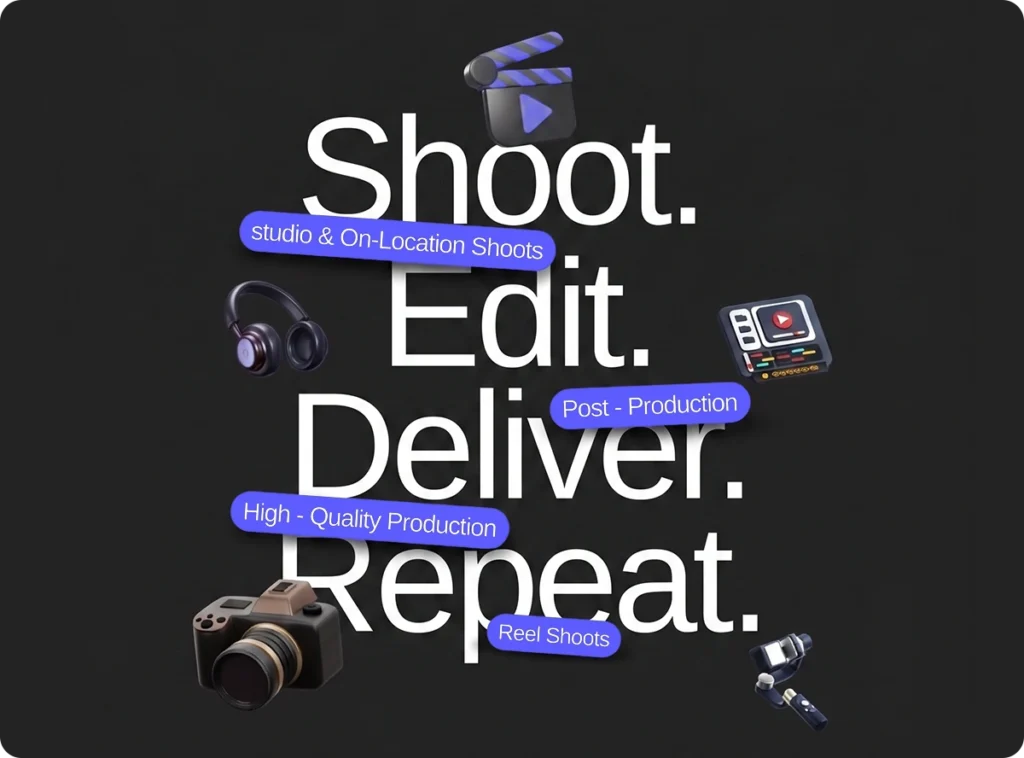
Video is now central to how users consume content across YouTube, Instagram, TikTok, LinkedIn, and emerging platforms.
Why Video Marketing Is Critical in 2026
| Statistic | Impact |
| 91% of consumers want to see more video from brands | High demand |
| Video content gets 1200% more shares than text + images combined | Viral potential |
| 87% of marketers say video directly increases sales | Proven ROI |
| Average person watches 17 videos per day | Massive consumption |
Types of Video Content That Work
| Video Type | Length | Best Platform | Purpose |
| Short-form | 15–60 seconds | TikTok, Reels, Shorts | Awareness, discovery |
| Tutorials | 3–10 minutes | YouTube, LinkedIn | Education, authority |
| Product demos | 1–3 minutes | Website, YouTube | Conversion |
| Testimonials | 1–2 minutes | Website, social | Trust building |
| Live streams | 15–60 minutes | Instagram, LinkedIn, YouTube | Engagement, real-time |
| Explainer videos | 2–4 minutes | Landing pages | Conversions |
How to Get Started with Video Marketing
- Start with what you have:
- Use your smartphone (modern cameras are excellent)
- Natural lighting (face a window)
- Free editing tools (CapCut, iMovie, DaVinci Resolve)
- Create a content plan:
- 2–3 short-form videos per week (Reels, TikToks)
- 1 long-form video per month (YouTube)
- repurpose blog posts into video scripts
- Focus on hooks:
- First 3 seconds determine if viewers stay
- Start with a question, bold statement, or problem
- Show the benefit immediately
- Optimize for each platform:
- Vertical (9:16) for TikTok, Reels, Shorts
- Horizontal (16:9) for YouTube
- Add captions (85% watch without sound)
- Add CTAs:
- “Subscribe for more”
- “Link in bio for free guide”
- “Comment your biggest challenge below”
Video Marketing Best Practices for 2026
- Keep it concise: Shorter videos perform better for awareness
- Add captions: Essential for sound-off viewing
- Show, don’t just tell: Visual demonstrations beat talking heads
- Be authentic: Raw, unpolished content often outperforms over-produced videos
- Consistency matters: Regular posting builds audience and algorithm favor
Real-World Example
A fitness brand created 50 short-form workout videos on Instagram Reels, gaining 200K followers in 6 months and driving $1.5M in supplement sales through bio links.
How to Choose the Right Channels for Your Business
You don’t need to master all 5 channels immediately. Here’s how to prioritize:
By Business Type
| Business Type | Priority Channels |
| B2B SaaS | LinkedIn, SEO, Email, Content |
| E-commerce | Instagram, SEO, Email, Video |
| Local Service | Google Ads (SEM), Facebook, Email |
| DTC Brand | TikTok, Instagram, Video, Email |
| Consulting | LinkedIn, Content, SEO, Email |
| Startup | SEO, Content, Social Media, Email |
By Budget
| Budget Level | Recommended Strategy |
| Low ($0–$500/month) | SEO, Content Marketing, Organic Social, Email |
| Medium ($500–$5K/month) | Add SEM, Paid Social Ads, Video Production |
| High ($5K+/month) | Full multi-channel strategy with dedicated teams |
By Business Goal
| Goal | Best Channels |
| Brand awareness | Social Media, Video, Content |
| Lead generation | SEO, SEM, Email, Content |
| Sales conversions | SEM, Email, Video, Retargeting |
| Customer retention | Email, Social Media, Content |
Pro tip: Start with 2–3 channels that align with your audience and goals, master them, then expand.
Common Mistakes to Avoid
Even experienced marketers make these mistakes. Avoid them to accelerate your growth:
1. Spreading Too Thin
❌ Being on 7 platforms with inconsistent posting
✅ Focus on 2–3 channels where your audience actually is
2. Ignoring Data
❌ Posting without tracking results
✅ Set up Google Analytics, conversion tracking, and review metrics weekly
3. Inconsistent Branding
❌ Different logos, tones, and messaging across channels
✅ Create brand guidelines and maintain consistent voice
4. No Clear CTA
❌ Content that doesn’t guide users to the next step
✅ Every post should have a purpose (visit site, sign up, buy)
5. Giving Up Too Soon
❌ Quitting SEO after 2 months with no results
✅ SEO takes 3–6 months; content compounds over time
6. Focusing Only on Sales
❌ Every post is a promotion
✅ Use the 80/20 rule: 80% value, 20% promotion
7. Not Optimizing for Mobile
❌ Website or emails that don’t work on phones
✅ 60%+ of traffic is mobile; test everything on mobile first
FAQs
How long does it take to see results from digital channels?
- SEM (paid ads): Immediate results within days
- Email marketing: Immediate once campaigns launch
- Social media: 1–3 months for meaningful growth
- SEO: 3–6 months for organic traffic
- Content marketing: 4–8 months for compounding traffic
How much should I budget for digital marketing?
Businesses typically spend 7–12% of revenue on marketing. For USA businesses:
- Startups: $1,000–$5,000/month
- Small businesses: $5,000–$20,000/month
- Mid-market: $20,000–$100,000+/month
Do I need to be on all 5 channels?
No. Start with 2–3 channels that align with your audience and goals. Master them, then expand. Quality beats quantity.
Which channel has the best ROI?
- Email marketing: Highest ROI ($36:$1)
- SEO: Best long-term compounding ROI
- SEM: Best for immediate, measurable ROI
- Social media: Best for brand awareness ROI
- Video: Best engagement ROIhubspot
Can I do all this myself?
Yes, especially for small businesses. However, as you scale, consider hiring:
- A freelancer for specific channels (SEO, ads)
- A marketing agency (like Luniea) for full strategy and execution
- An in-house team for enterprise-level operations
How do I measure success?
Track these KPIs by channel:
- SEO: Organic traffic, keyword rankings, conversions
- SEM: CPC, conversion rate, ROAS (return on ad spend)
- Social: Reach, engagement rate, follower growth
- Email: Open rate, CTR, conversion rate, list growth
- Video: Views, watch time, engagement, conversions
Next Steps
You now have a clear roadmap of the 5 digital channels every business needs to grow online in 2026. Here’s how to take action:
Your 30-Day Action Plan
Week 1: Audit & Plan
- Audit your current digital presence
- Identify your top 2–3 priority channels
- Set specific goals (traffic, leads, revenue)
Week 2: Setup
- Optimize website for SEO (technical + on-page)
- Set up analytics and tracking
- Create content calendar for 30 days
Week 3: Launch
- Publish 2–4 blog posts
- Start posting consistently on social media
- Build email list with lead magnet
Week 4: Optimize
- Review performance data
- Double down on what works
- Adjust strategy based on results
Ready to Accelerate Your Growth?
Implementing a multi-channel digital strategy takes time, expertise, and consistency. At Luniea, we’re a USA-based marketing agency that helps businesses like yours:
✅ Develop data-driven multi-channel strategies
✅ Execute SEO, paid ads, content, and social campaigns
✅ Track ROI and optimize for maximum results
✅ Scale growth without the overhead of an in-house team
Contact Luniea today for a free digital marketing audit and custom growth strategy tailored to your business.
Key Takeaways
- Multi-channel > single channel: Businesses using 3+ channels achieve 287% higher purchase rates
- Search marketing captures high-intent buyers (SEO for long-term, SEM for immediate)
- Social media builds awareness and daily engagement with your audience
- Content marketing compounds over time and establishes authority
- Email marketing delivers the highest ROI ($36:$1) and owns your audience
- Video marketing is essential for engagement and discovery in 2026
- Start small: Focus on 2–3 channels, master them, then expand
- Track everything: Use data to guide decisions and optimize spend