
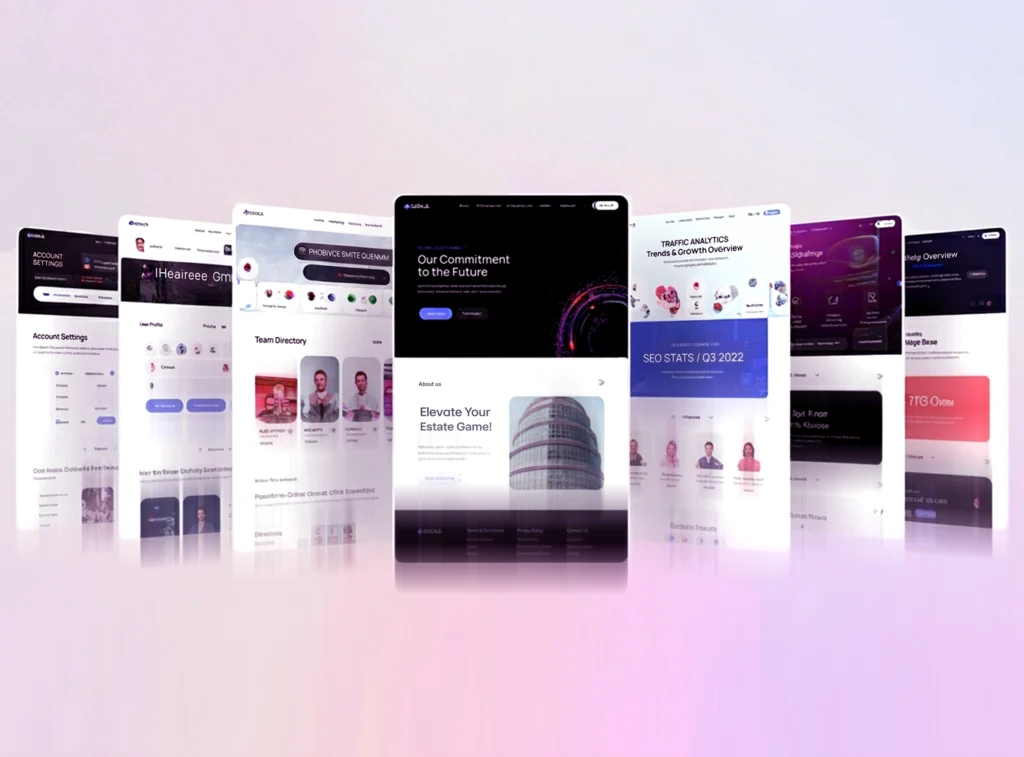
A website should explain what you offer, help visitors find the right information, and make contacting or buying from you straightforward. We plan the content, design, development, and integrations together, with a scope based on what your business needs now and what your team can maintain.
We plan and build business websites with clear service pages, straightforward navigation, and useful contact options. WordPress website development can give your team a practical way to maintain content, while layouts and features are chosen around how customers use the site.
We build online stores around how customers browse, compare, and buy. The scope can include product categories, variations, payment and shipping setup, and order notifications. We agree on the platform and integrations before development so the store fits your operations.
Landing page design starts with one audience, one offer, and one clear next step. We connect the headline, supporting evidence, form, and call to action to the campaign that brings visitors there, then use conversion data to guide improvements.
We organize pages and interactions so visitors can understand the offer and find what they need. The work covers navigation, page layouts, form design, and visual consistency, with attention to readability, accessible interactions, and the questions customers need answered.
Keep the website usable after launch with a maintenance scope suited to its platform and features. Support can include software updates, backups, security checks, troubleshooting, and content changes. We define responsibilities and the support arrangement before work begins.
Connect website inquiries with the tools your team uses to respond. We plan how form submissions, contact details, and relevant activity move into your CRM or other business systems, then test field mapping, notifications, and error handling within the agreed scope.
Website performance optimization addresses the issues slowing down important pages. We review image sizes, scripts, fonts, caching, and other loading problems, prioritize practical fixes, and compare results. Recommendations account for the platform and features your business needs to keep.
Understand which pages and campaigns lead to useful actions. We configure agreed analytics events, such as form submissions, purchases, or booking clicks, and test that they record correctly. Tracking is planned around your reporting needs and applicable consent settings.
Every successful website starts with a clear plan. Our process connects strategy, user experience, visual design, development, and testing to create a website that is easy to use, technically reliable, and built around your business goals.
A high-performing website works best when its design, brand, and business systems support the same customer journey. Explore our brand identity design, CRM and system integration, and e-commerce development services.
We discuss your customers, services, goals, and current website. Together, we identify what visitors need to understand or do, then agree on the pages, features, responsibilities, and project scope.
We organize the sitemap, navigation, and page content around customer questions. This establishes where services, evidence, pricing or process details, and calls to action belong before visual design begins.
We develop layouts that reflect your brand and make important information easy to scan. Your feedback helps refine the visual direction, page hierarchy, and key interactions before development.
We develop the approved pages and agreed features, including WordPress editing controls, forms, store functionality, or business-system integrations. Content and images are prepared for their intended use throughout the site.
We check content, forms, links, tracking, and essential website functions before launch. Redirects and search settings are reviewed where needed, followed by a handover covering how your team will manage the site.
After launch, agreed support keeps the site current. Analytics and customer feedback can identify useful improvements, such as clearer service information, a simpler form, or a page that needs better performance.
We organize services, examples, and next steps around what customers need to know before they contact you. Visual design supports that information rather than competing with it.
We plan how your team will update pages, images, and everyday information. The handover explains the agreed editing controls and which changes may need technical support.
Forms and integrations are planned around how your team receives and responds to inquiries. We test the agreed connections so submitted details reach the right place.
We define useful website actions and configure the agreed tracking. After launch, that information can help identify where content, navigation, or inquiry paths need attention.





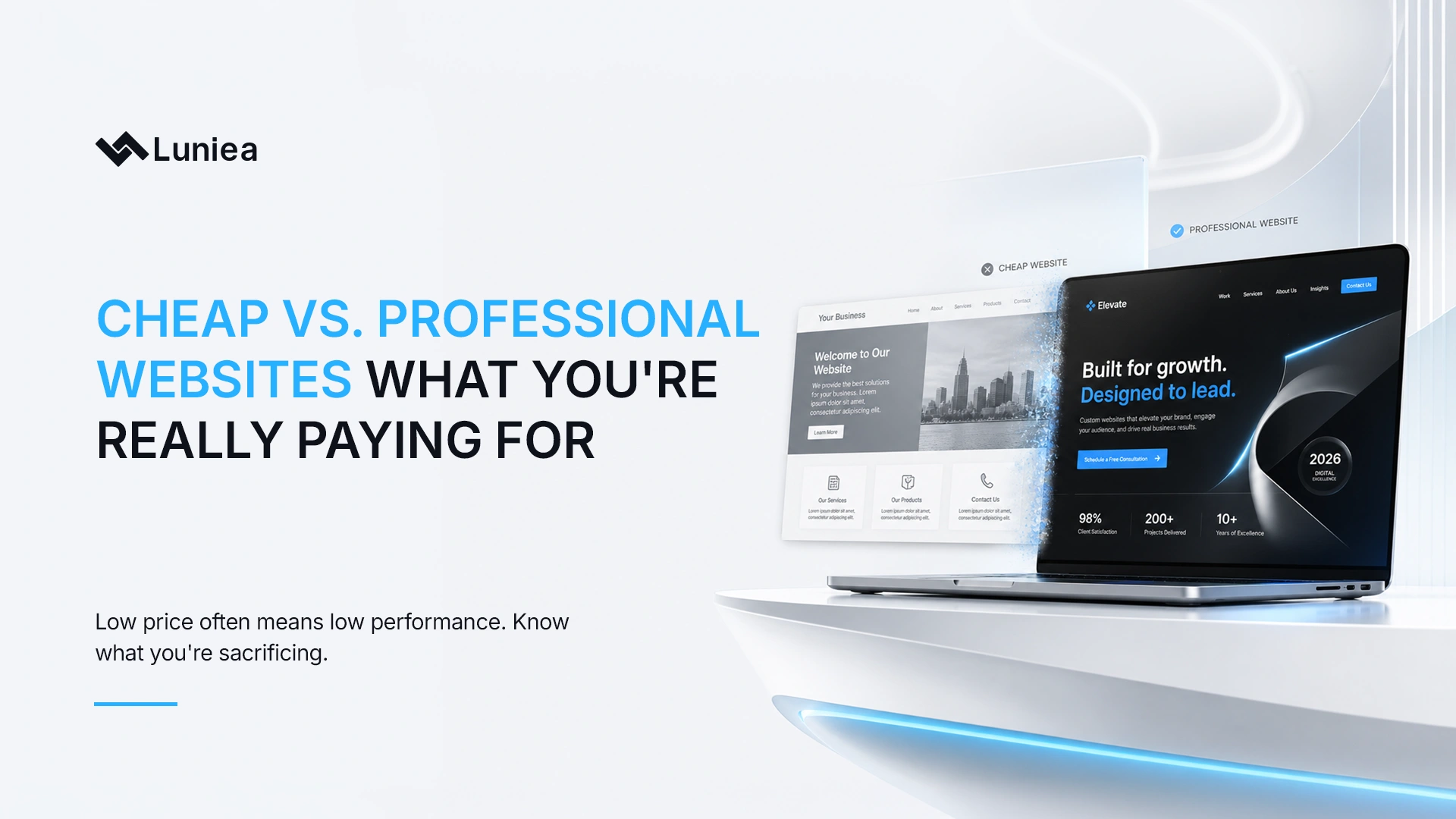

Get a Clear Direction for Your Business Online: Stop Guessing, Start Growing You’re posting on social media, running ads, and...
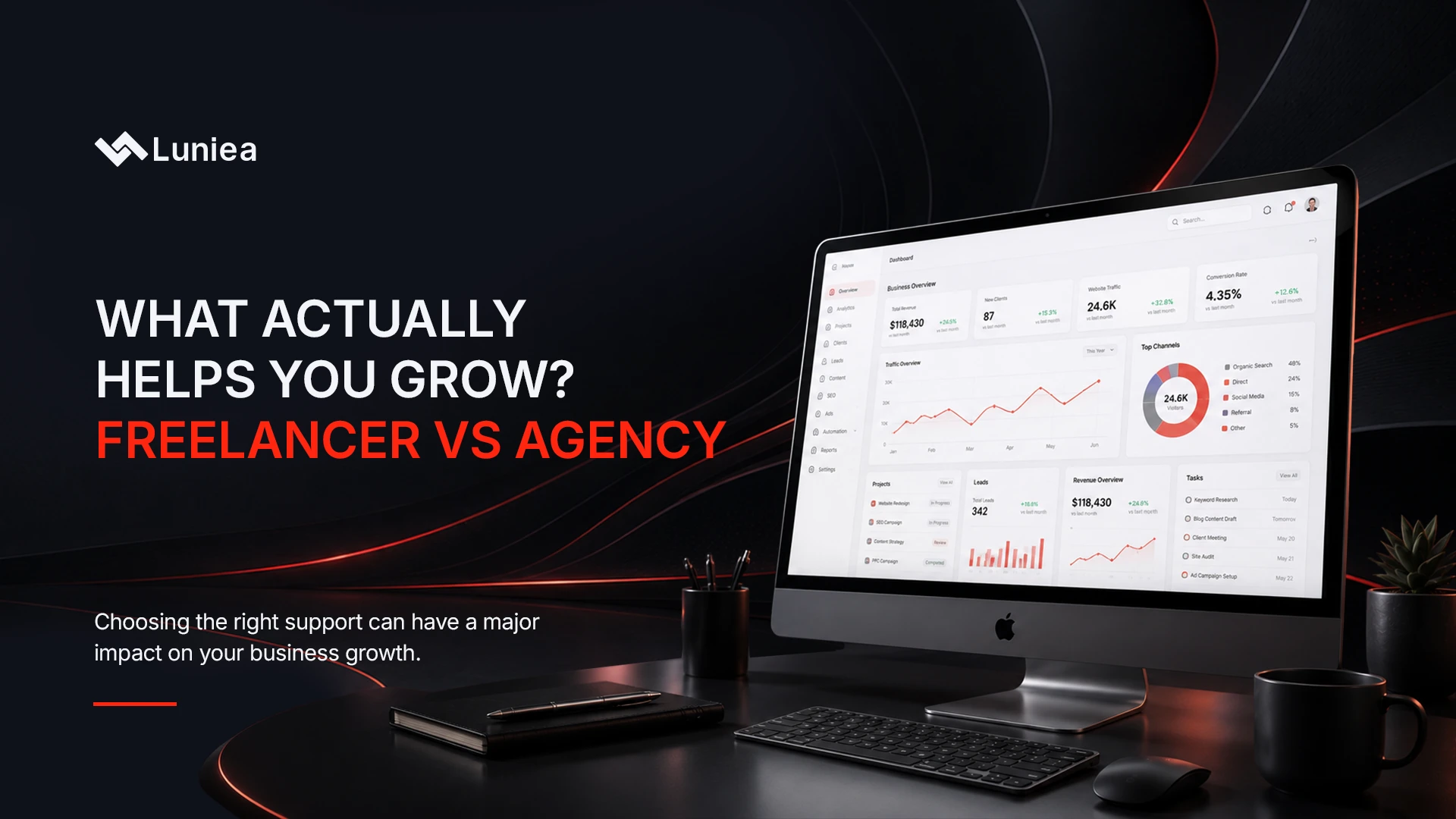
Freelancer vs Agency : What Actually Helps You Grow? If you’re deciding between freelancer vs agency for your marketing needs,...
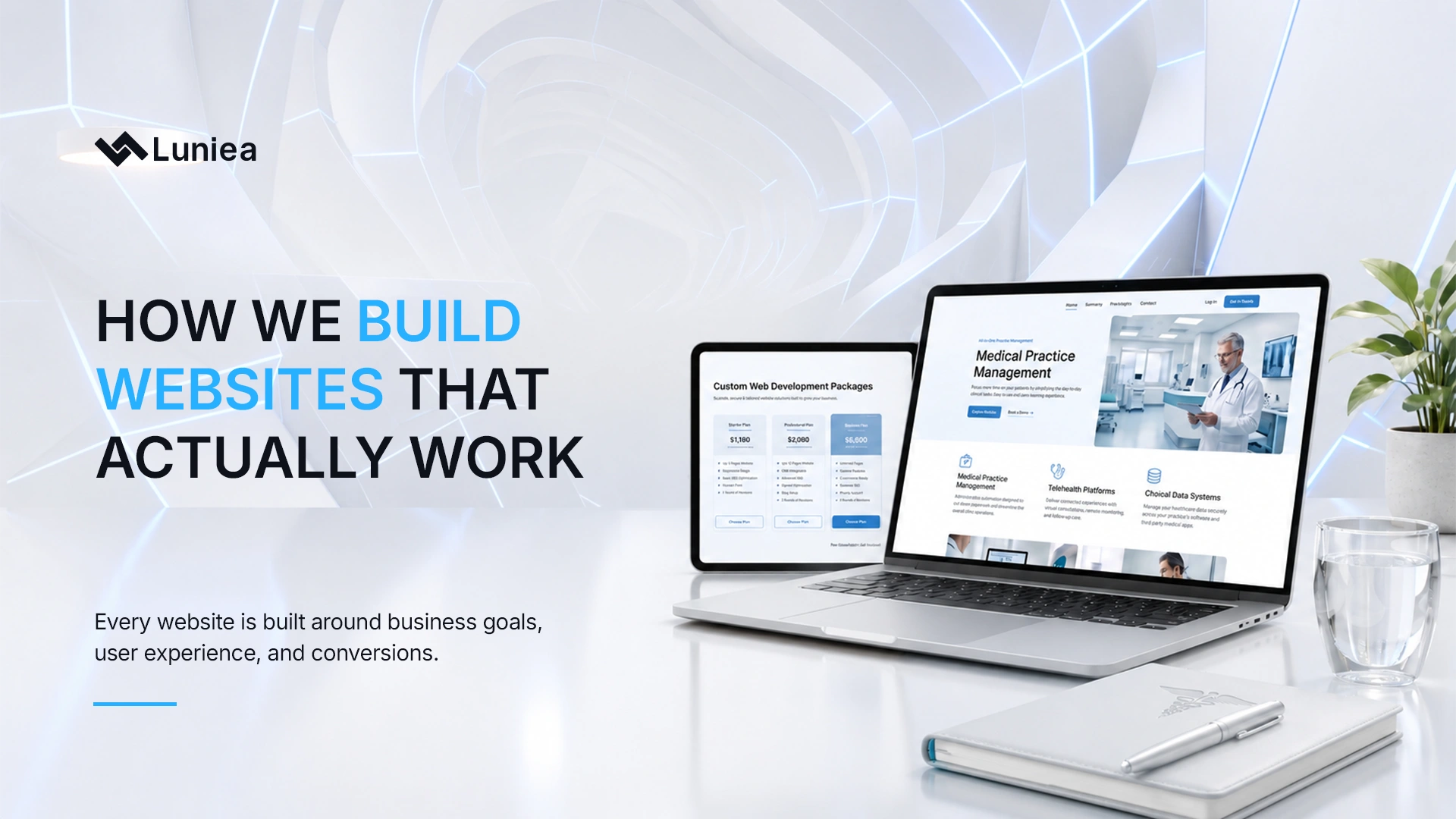
How We Build Websites That Actually Work: Proper Website Setup Guide Most businesses think building a website means hiring a...
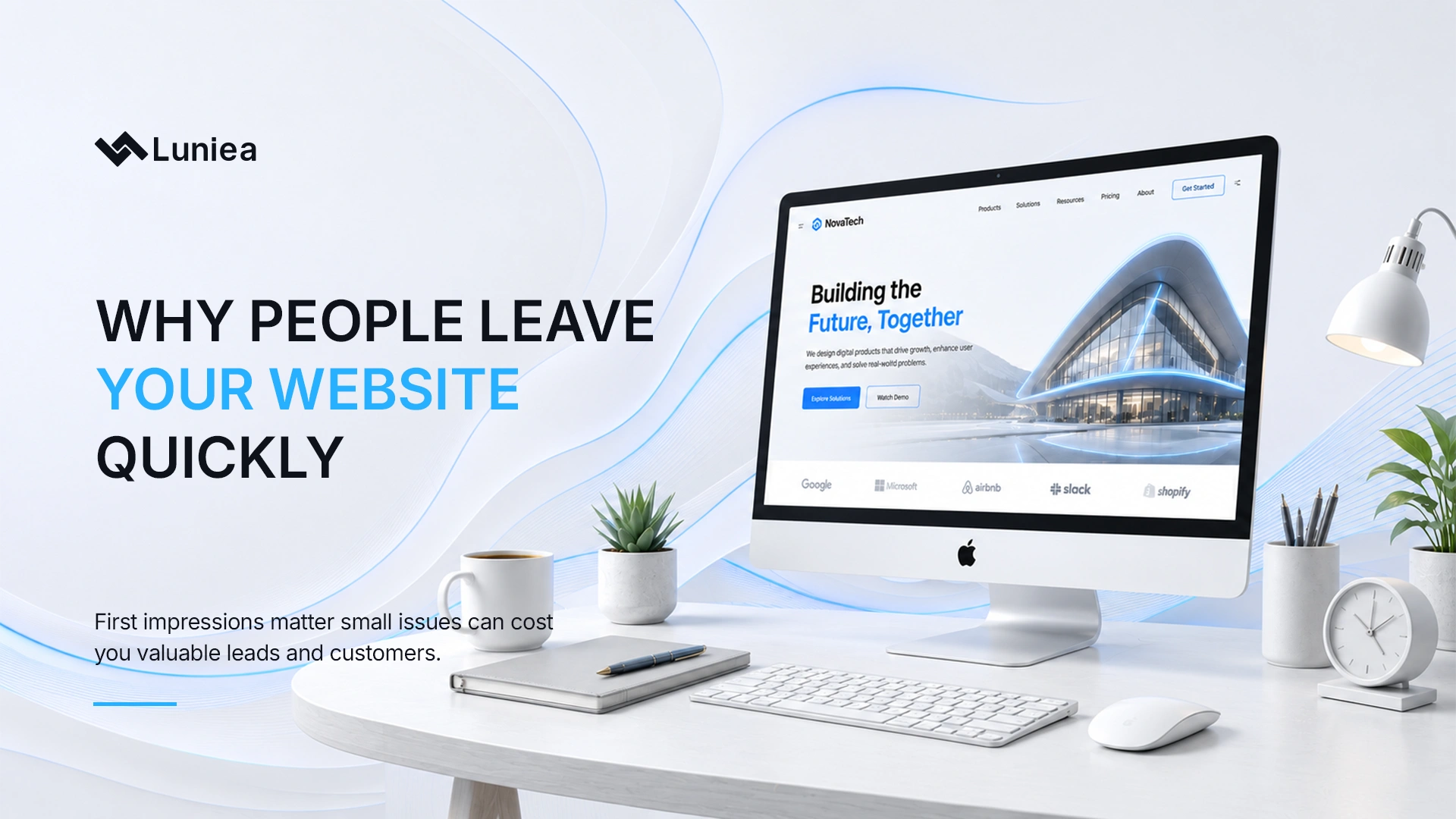
Why People Leave Your Website Quickly Introduction First impressions online happen in seconds. When visitors arrive, they decide almost instantly...
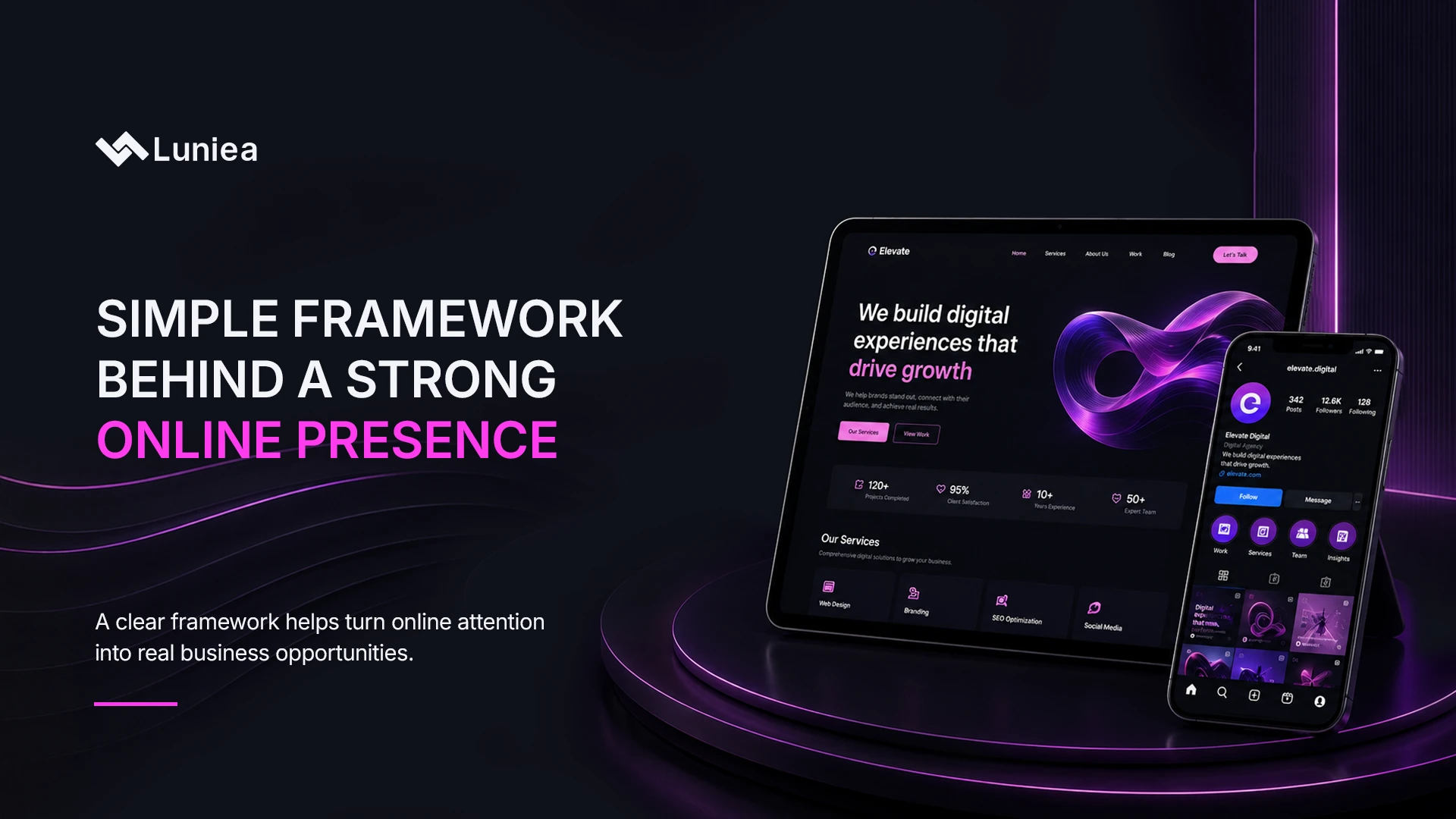
The Simple Framework Behind a Strong Online Presence Introduction Building a strong online presence isn’t about mastering every digital channel separately, it’s...

Start With a Strategy Session for Your Digital Growth A practical breakdown of why businesses should start with a strategy...
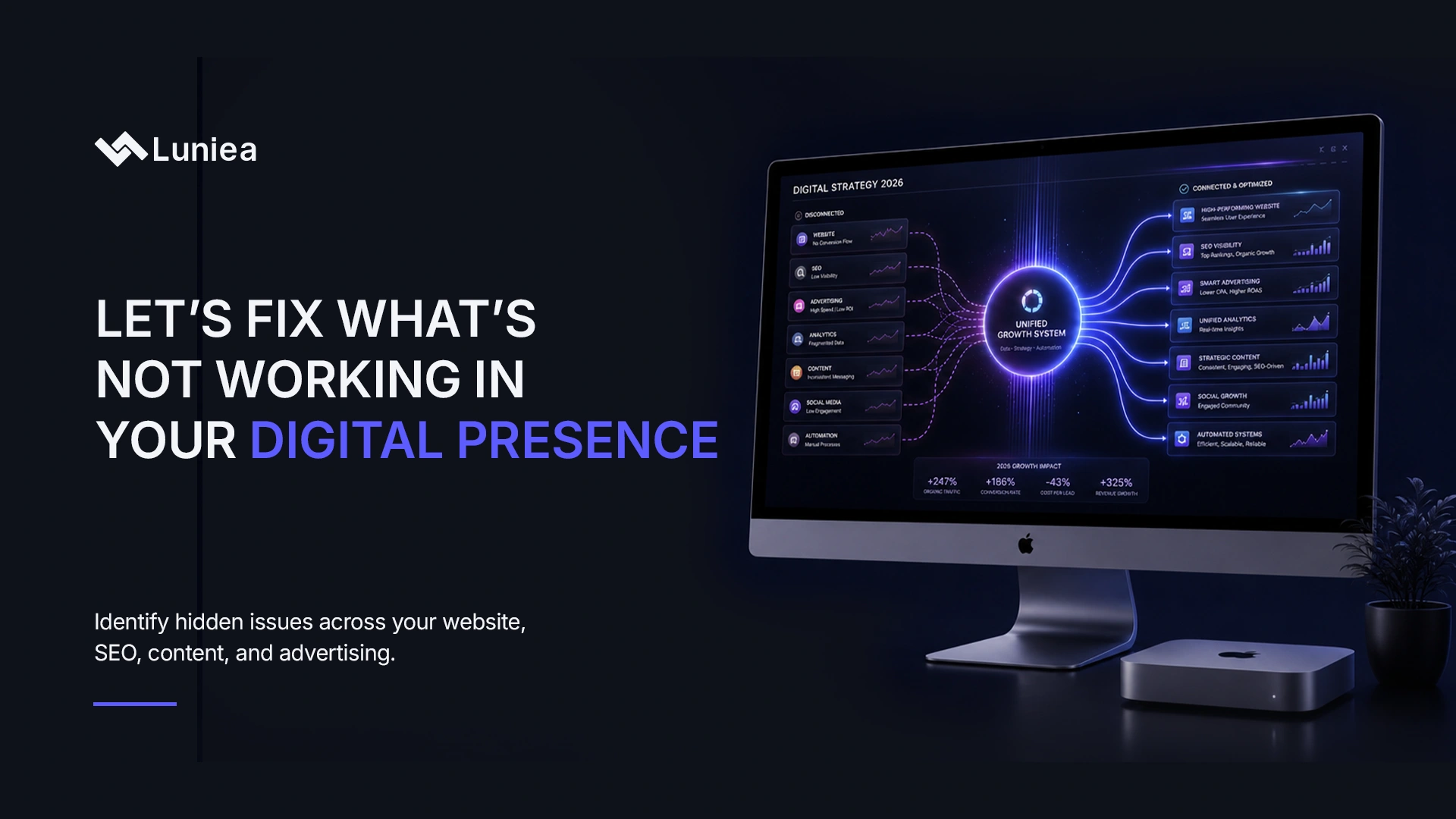
Let’s Fix What’s Not Working in Your Digital Presence A practical breakdown of how businesses can identify and improve the...
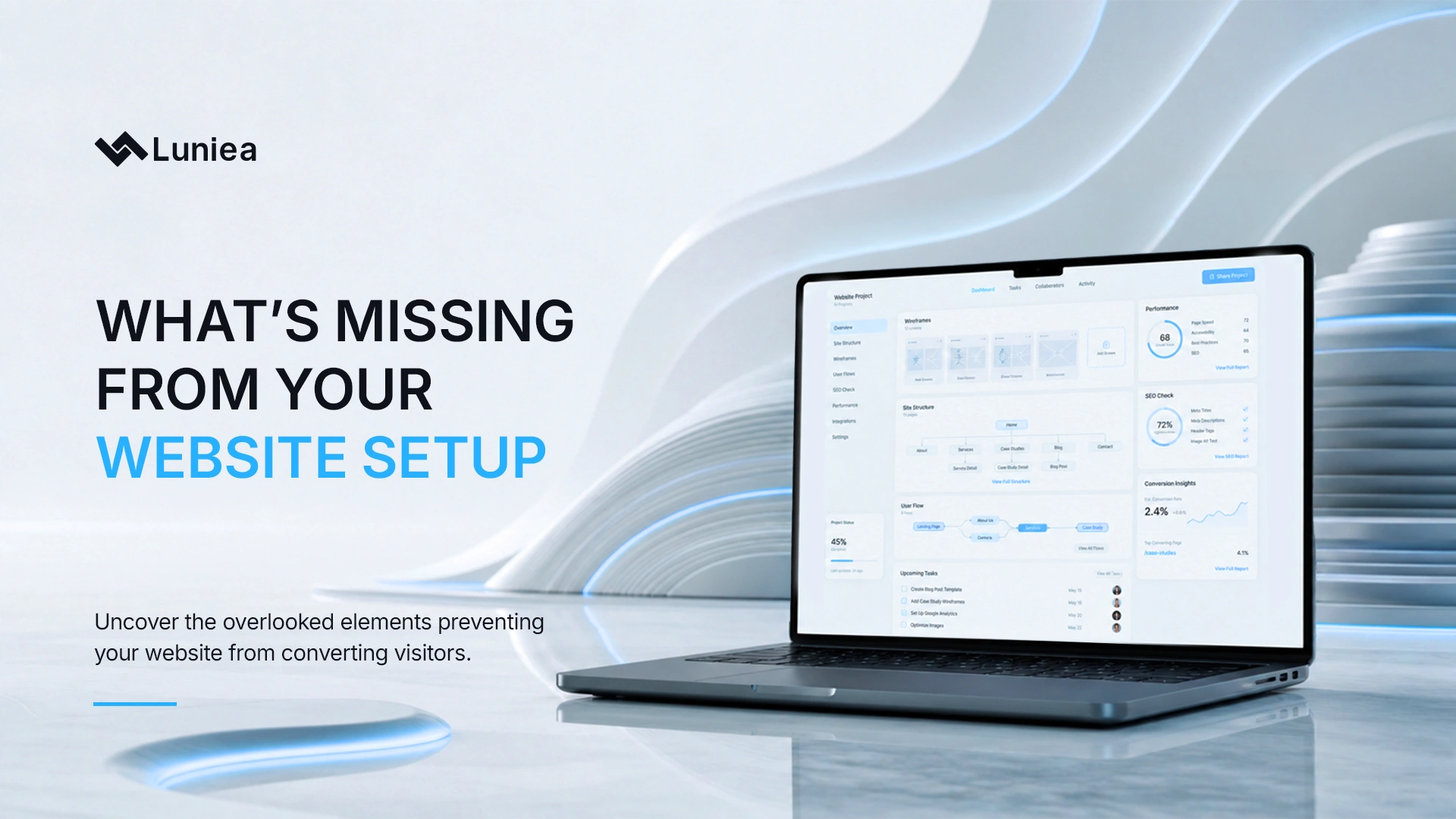
What’s Missing From Your Website Setup A practical breakdown of what’s missing from your website setup and why many business...

Why Your Website Isn’t Bringing You Clients A practical breakdown of why your website isn’t bringing you clients even when...
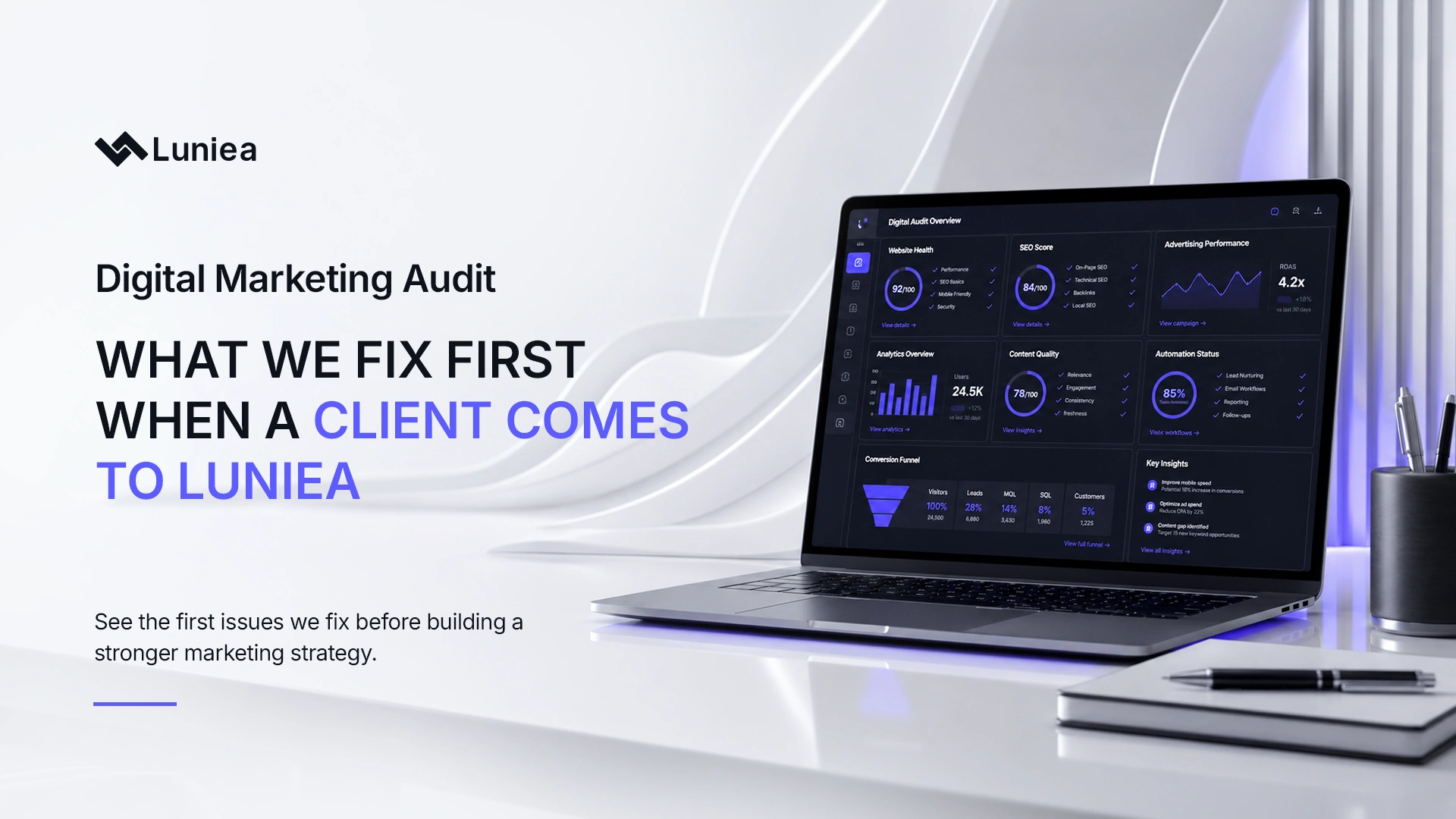
What We Fix First When a Client Comes to Luniea A Strategic Breakdown of Our Digital Audit Approach A structured...

Why Your Business Needs a Unified Digital Strategy: Turning Fragmented Marketing into a Growth System A strategic breakdown of why...
Landing Pages Hidden Problem Why Visitors Don’t Convert Into Leads A detailed breakdown of why most landing pages fail to...
What a High-Converting Website Actually Looks Like A practical breakdown of what separates a visually appealing website from a genuinely...

The Biggest Mistake Small Businesses Make Online A practical breakdown of the most common reason small businesses struggle to grow...
Clear answers about website timelines, costs, WordPress development, redesigns, responsiveness, and search-friendly foundations.
The timeline depends on the number of pages, content readiness, design requirements, and features such as an online store or CRM connection. We agree on milestones after reviewing the scope. Clear feedback and timely access to approved text, images, and systems help keep the work moving.
We build layouts for different screen sizes and include search foundations within the agreed scope. These can include clear headings, readable page content, descriptive metadata, appropriate image descriptions, and crawlable navigation. A sound website foundation supports SEO, while search visibility also depends on content quality, competition, and ongoing work.
We agree on content responsibilities at the start. Your team provides accurate service information, business details, and any approved materials you already have. Where included in the project, Luniea can help organize or write page content and plan original photography or video. Drafts should be reviewed before publication.
The site can be configured so your team can update agreed content, such as text, images, articles, or products. We explain those controls during handover. More substantial changes to layouts, integrations, or custom functionality may need developer support, depending on how the website is built.
These services should be specified in the proposal or support agreement. We can discuss hosting requirements and an ongoing maintenance scope covering relevant updates, backups, checks, and technical support. The agreement should identify who manages each part of the website and how support requests are handled.
We review the required payment providers, products, shipping rules, and business systems before confirming the development scope. Availability depends on the selected platform, provider requirements, and integration support. Checkout and payment flows need testing before launch, including order notifications and the handling of unsuccessful payments.
Ownership, account access, and usage rights should be clearly stated in your project agreement. The handover should identify what transfers to your business and any third-party components with separate licenses, such as fonts, stock images, plugins, or subscriptions. Confirm those terms before the project begins.
Discuss your current website, customer needs, and project priorities.
Get a practical starting point and a clearer picture of the work involved.
Your information is secure and never shared.