Cheap vs. Professional Websites: What You’re Really Paying For
When businesses start looking for a new website, one question often comes up: why do website prices vary so much?
You might find one provider offering a website for a few hundred dollars, while another proposes a significantly larger investment. At first glance, both options appear to offer the same thing a website that represents your business online.
However, the real difference goes far beyond appearance. A website is often the first interaction potential customers have with your business. Researchers at Carleton University found that people form a lasting opinion of a webpage’s visual appeal almost instantly, after viewing it for as little as half a second. It influences how people perceive your brand, whether they trust your company, and whether they decide to take the next step.

Choosing a website based solely on price can sometimes lead to unexpected limitations. Beyond first impressions, there’s real legal exposure to consider: website accessibility lawsuits under the ADA rose sharply in 2025, increasing 27% over the previous year and now accounting for more than a third of all ADA Title III filings in federal court, and budget website builds are frequently the ones missing the basic accessibility features that trigger these claims. Understanding the differences between a cheap website and a professional website can help you make a decision that supports your business both now and in the future.
Table of Contents
Cheap Website vs Professional Website: A Quick Comparison
| Feature | Cheap Website | Professional Website |
| Design | Generic template | Custom strategy-driven design |
| User Experience | Basic functionality | Designed around customer journeys |
| SEO | Often limited | Built with SEO best practices |
| Mobile Experience | Varies by template | Fully responsive and optimized |
| Lead Generation | Minimal focus | Conversion-focused design |
| Scalability | Limited flexibility | Designed for future growth |
| Support | Usually limited | Ongoing support and improvements |
| Upfront Cost | Lower | Higher initial investment |
| Long-Term Value | Can require replacement sooner | Better long-term ROI |
While both options can help establish an online presence, the difference lies in how effectively the website supports business growth, customer acquisition, and long-term marketing efforts.
Why Website Prices Vary So Much
A cheap website is usually focused on getting a business online as quickly and inexpensively as possible. These websites often rely on pre-built templates, limited customization, and minimal strategic planning. Not all websites are built with the same purpose. A professional website is designed differently. Instead of focusing only on appearance, it is built around business goals.
Every page, feature, and design decision is intended to improve user experience, support marketing efforts, and encourage visitors to take action. This difference in approach is often what creates the gap in pricing. When businesses invest in a professional website, they are investing in strategy, planning, and a better user experience rather than simply paying for pages and design elements.
Experience Matters: What We Commonly See
At Luniea, we’ve reviewed websites across a variety of industries, and one pattern appears repeatedly. Businesses that choose the lowest-cost website option often find themselves rebuilding their website within a few years because it no longer supports their marketing goals, lead generation efforts, or growth plans.
A website is not just a digital brochure. It becomes the foundation for your SEO, advertising campaigns, content marketing, and customer acquisition efforts. Building that foundation correctly from the beginning often saves both time and money in the long run.
Affordable Website vs Custom Website: Understanding the Middle Ground
Many businesses assume there are only two choices: a very cheap website or a highly customized enterprise website. In reality, there is often a middle ground. A professional business website does not always require a massive budget. Many businesses benefit from a strategically designed website that balances affordability with performance, scalability, and user experience.
The key is understanding that website design should be viewed as an investment rather than simply an expense. The goal is not to find the cheapest option available, but to find the solution that delivers the greatest value for your business objectives.
A Real-World Example
Imagine a local roofing company launching a basic template website for a few hundred dollars. The website displays contact information and service details, but receives very few inquiries despite attracting visitors. Now compare that to a professional website designed around customer needs.
The site includes trust-building testimonials, clear service pages, strong calls-to-action, location-specific content, and a streamlined contact process. Both websites may receive similar traffic, but the professionally designed website is far more likely to convert visitors into qualified leads. Over time, that difference can have a significant impact on revenue and business growth.
Strengthening the ROI Discussion
When evaluating professional website cost, it is important to consider the return on investment rather than focusing solely on the upfront price. A website that generates consistent leads, supports marketing campaigns, improves search visibility, and builds customer trust can provide value for years.
This is why many businesses view website design as a long-term investment rather than a one-time purchase. The real question is not how much a website costs today. The real question is how much business it helps generate tomorrow.
Design: Looking Good vs Building Trust
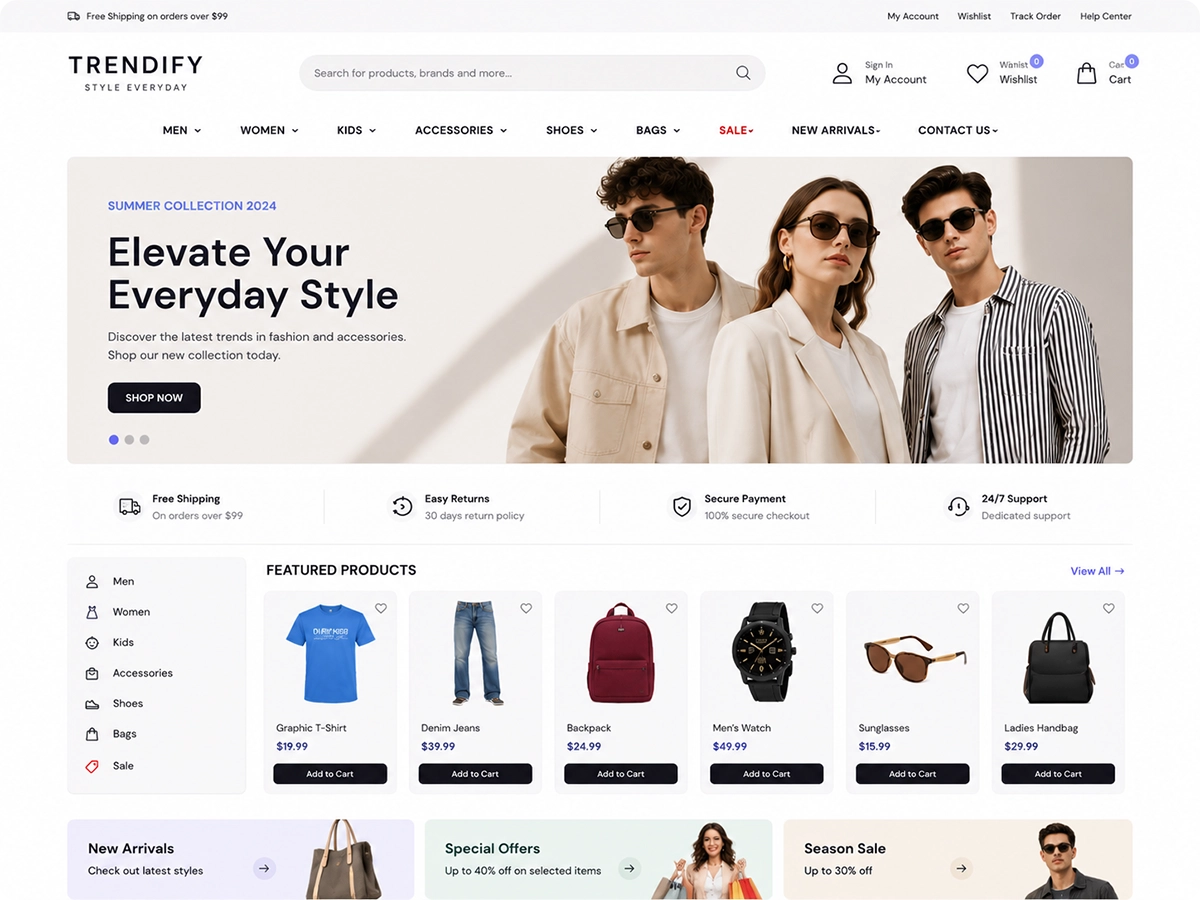
Many low-cost websites use templates that are available to thousands of other businesses. While there is nothing inherently wrong with templates, they can make it difficult for a business to stand out. Visitors may struggle to understand what makes your company different from competitors. A professional website is designed to communicate credibility and trust. The layout, messaging, visuals, and navigation work together to create a positive first impression and guide visitors toward a desired action.
Research has shown that website visitors can form an opinion about a website’s visual appeal in as little as 50 milliseconds. This means your design, layout, imagery, and messaging often influence trust before a visitor reads a single sentence.
The Difference in User Experience
A website can look attractive and still be difficult to use.
Many inexpensive websites focus primarily on appearance while overlooking the visitor’s journey. Information may be difficult to find, navigation may be confusing, and important actions such as contacting the business may require too many steps.
Professional websites are built with the customer experience in mind. Visitors should be able to understand what your business offers, find relevant information, and take action without frustration.
This is one reason why businesses often notice improvements in engagement after they decide to upgrade their business website.
SEO and Online Visibility
Having a website does not automatically mean people will find it. Many low-cost websites are created without considering search engine optimization. Important technical elements such as page structure, metadata, mobile responsiveness, and content hierarchy may be overlooked.
A professional website is typically built with SEO best practices in mind. This helps search engines understand the content of the website and improves the chances of appearing in relevant search results.
While SEO requires ongoing effort, having a strong technical foundation from the beginning can make future marketing activities significantly more effective.
Lead Generation: The Biggest Difference
The most important question isn’t how much a website costs.The most important question is whether the website helps generate business. A cheap website may successfully display information about your company. However, if visitors leave without calling, submitting a form, or requesting a quote, the website is not contributing much value.
Professional websites are designed to support specific business goals. Contact forms, calls-to-action, trust signals, testimonials, and page layouts are strategically placed to encourage conversions. This focus on results is often what separates a website that simply exists from one that actively contributes to business growth.
Long-Term Value vs Upfront Cost
Many businesses choose a cheap website because it appears to save money. Unfortunately, that initial saving can sometimes lead to higher costs later. Businesses often discover limitations that require redesigns, additional development work, SEO corrections, or complete replacements.
A professional website may require a larger investment upfront, but it is usually designed to support growth, adapt to future needs, and provide better long-term value. Rather than asking which website is cheaper, it can be more useful to ask which website is likely to produce the greatest return on investment.
Which Option Is Right for Your Business?
A cheap website may be suitable if you simply need a basic online presence and have no immediate plans to use the website for marketing or lead generation.
However, if your website plays an important role in attracting customers, building credibility, and supporting business growth, a professional website is often the better long-term choice.
The goal isn’t to spend more money than necessary. The goal is to invest in a website that aligns with your business objectives and helps you achieve measurable results.
A professional website can become one of the most valuable assets in building a strong online presence and creating opportunities for sustainable growth.
Frequently Asked Questions
Is a cheap website bad for business?
Not necessarily. A cheap website can be suitable for startups, personal projects, or businesses that simply need a basic online presence. However, businesses that rely on online lead generation often benefit from a more strategic and professionally designed website.
Can a cheap website rank on Google?
Yes, a cheap website can rank on Google. However, many low-cost websites lack proper SEO foundations, making it more difficult to compete for valuable search terms. A professional website is typically built with SEO best practices from the start.
Why do professional websites cost more?
Professional websites involve research, planning, custom design, content structure, user experience optimization, SEO considerations, and conversion-focused features. These elements require additional expertise and time but often provide greater long-term value.
What is the average professional website cost?
Professional website costs vary depending on complexity, functionality, content requirements, and business goals. Rather than focusing solely on price, businesses should evaluate the potential return on investment and long-term benefits.
Can a professional website improve lead generation?
Yes. Professional websites are typically designed to guide visitors toward taking action through strategically placed calls-to-action, trust signals, contact forms, and conversion-focused layouts.
When should I upgrade my business website?
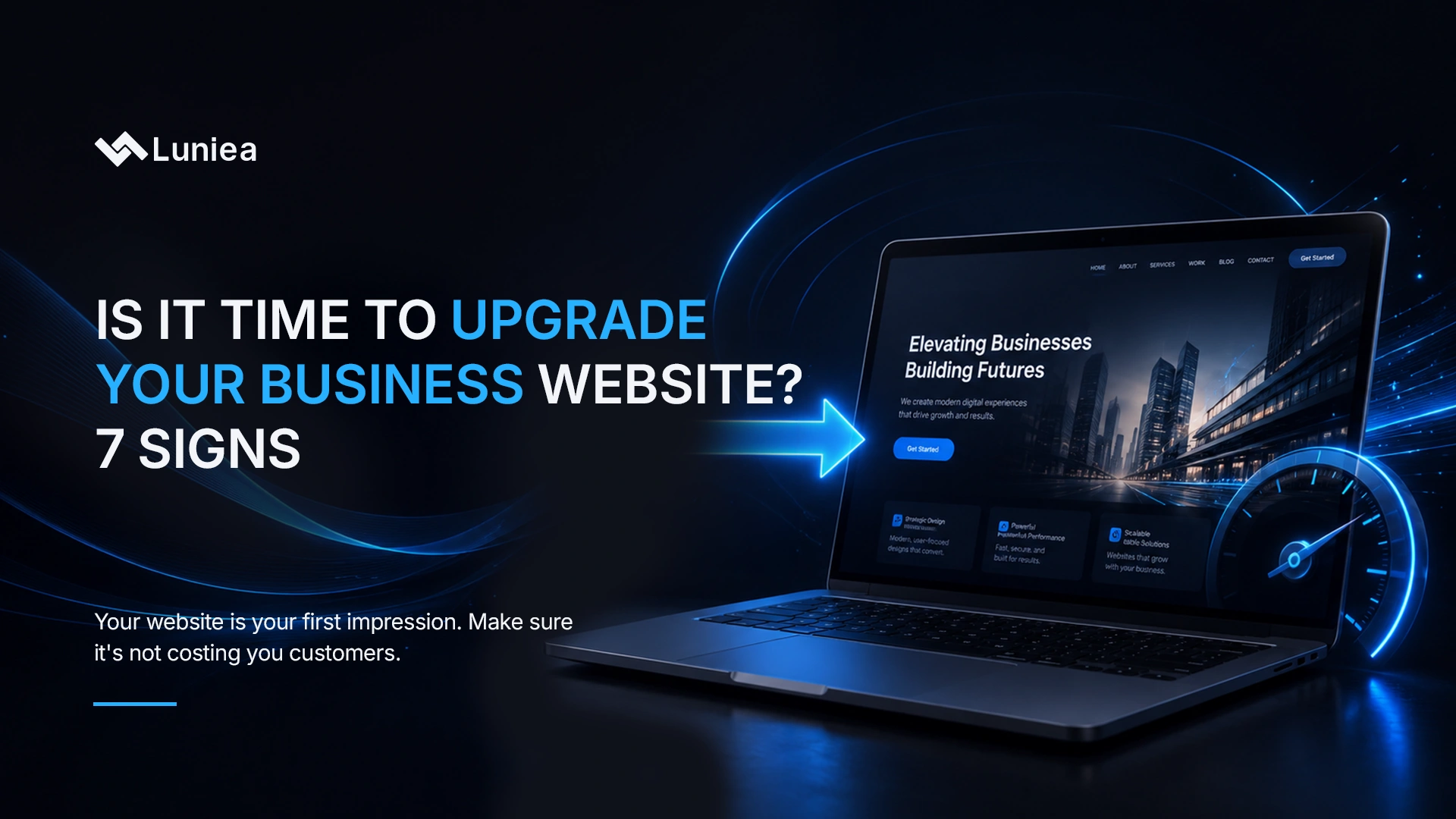
If your website looks outdated, performs poorly on mobile devices, loads slowly, struggles to generate leads, or no longer reflects your business goals, it may be time for an upgrade.
How long should a business website last?
A professionally built website can effectively support a business for several years when it is properly maintained, updated, and optimized over time.
Is a professional website worth the investment?
For businesses that depend on their online presence to attract customers, generate leads, and support marketing efforts, a professional website is often one of the most valuable long-term investments they can make.
Is Your Website Helping Your Business Grow?
If your website isn’t generating leads, supporting your marketing efforts, or creating a strong first impression, it may be time for a more strategic approach.
At Luniea, we create professional business websites designed to build trust, improve visibility, and convert visitors into customers. Whether you’re launching a new website or replacing an outdated one, we’ll help you create a website that supports your goals today and grows with your business tomorrow.
Ready to invest in a website that delivers real business results? Contact Luniea today and let’s build something that works harder for your business.