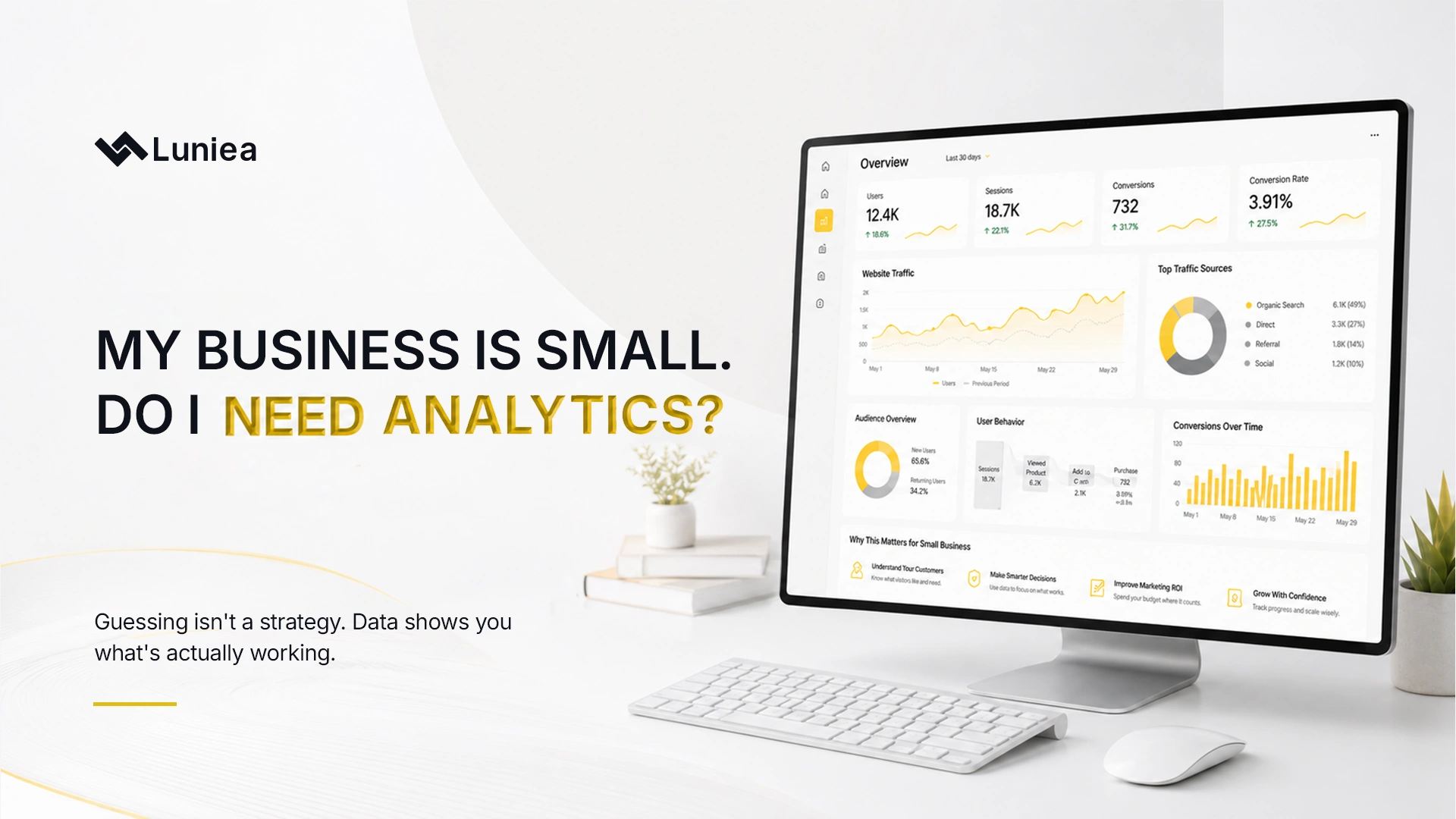
My Business Is Small Do I Need Analytics?
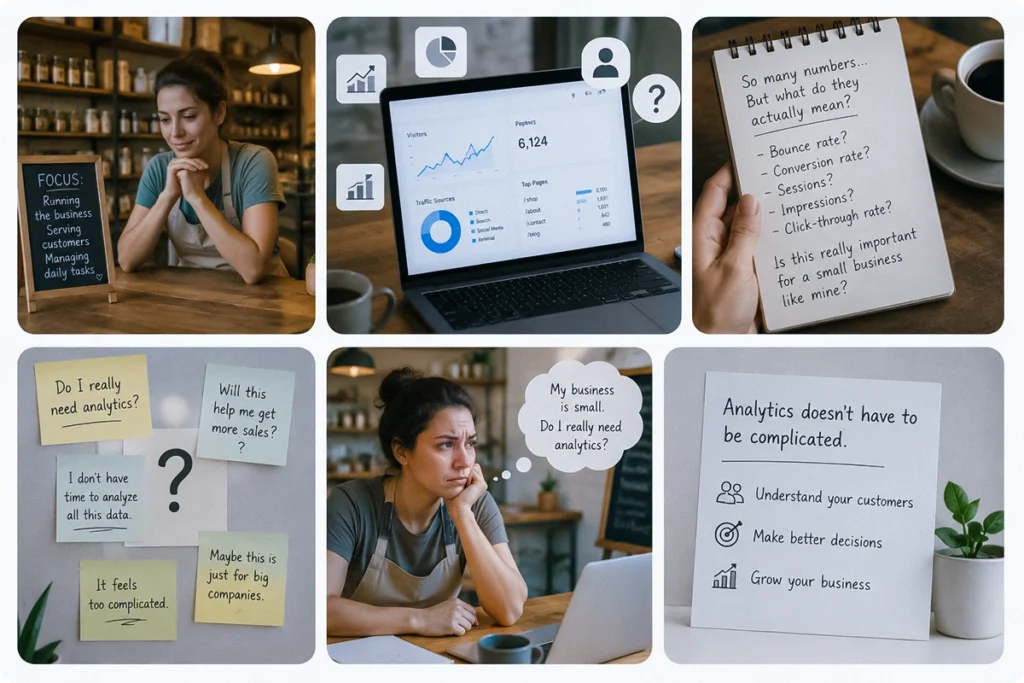
It’s a fair question. Analytics dashboards can feel built for companies with entire marketing departments, not a five-person team juggling everything from sales calls to scheduling. If your business runs on word of mouth, a handful of ad campaigns, and a website that mostly just needs to look good, does tracking actually matter?
The honest answer is yes. Constant Contact’s 2025 survey of 2,500 small business owners found only 18 percent feel confident their marketing is actually working, mostly because they can’t see what’s driving results. Google itself describes Analytics simply as a way to turn your website data into insight, which is the gap that’s actually costing you money. This guide breaks down what analytics actually does for a small business, what you lose by skipping it, and the simplest way to get started without overcomplicating things.
Table of Contents
The Short Answer: Yes, But Not the Way You Might Think
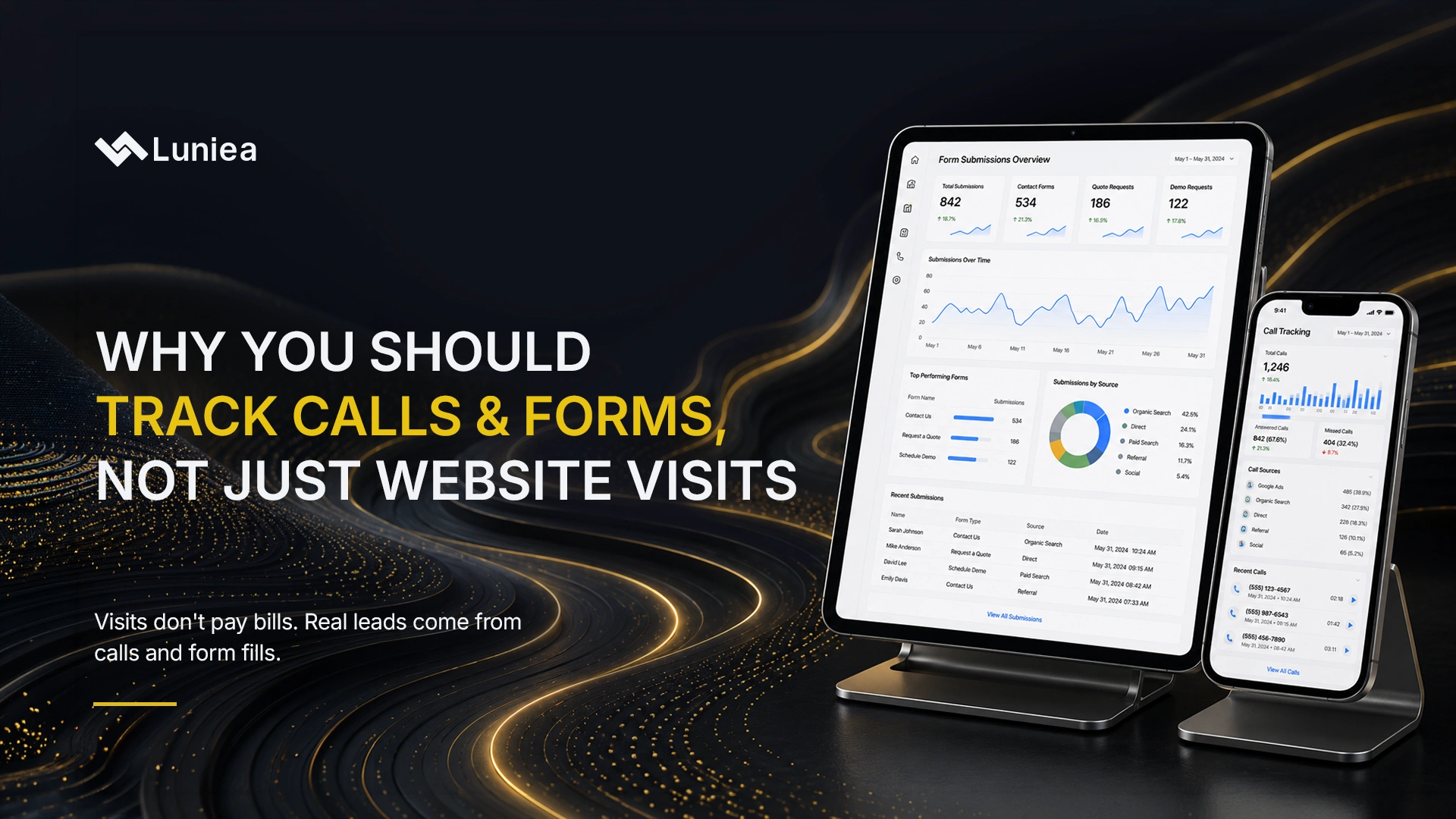
You don’t need a data team or a dashboard covered in graphs you’ll never look at. What you need is enough visibility to answer a few specific questions: where are my customers actually coming from, what are they doing once they get to my website, and which of my marketing efforts are leading to real inquiries rather than just traffic.
Even a small, simple setup answers those questions. The businesses that skip analytics entirely aren’t avoiding complexity. They’re just making decisions based on guesses instead of evidence, which tends to cost more in wasted spend than the tracking itself would have cost in time.
What Analytics Actually Tells You
According to Google’s own page on the benefits of analytics for data-driven marketing, analytics helps businesses get a more complete understanding of how customers engage with their business so they can deliver better experiences and drive results. Practically, that breaks down into a few specific, useful answers:
Where your traffic is actually coming from. Is it your Google Business Profile, a social media post, an ad campaign, or someone searching directly for your business name? Without tracking, this is a guess. With it, it’s a fact you can act on.
What people do once they arrive. Do they look at your pricing page and leave? Do they read one blog post and never come back? Do they immediately try to find your contact information? This tells you what’s working on your site and what’s quietly pushing people away.
Which marketing efforts are actually converting. A campaign that generates a lot of clicks but zero calls or form submissions is not actually working, no matter how good the click numbers look. Analytics is what lets you see the difference between activity and results.
Where people give up. If a large share of visitors land on a specific page and immediately leave, that page has a real, fixable problem. Without tracking, that problem stays invisible indefinitely.
What Happens Without It
Running a business without any tracking doesn’t mean nothing is happening. It means you’re making decisions based on assumptions instead of evidence, and those assumptions are wrong more often than business owners expect.
A few realistic scenarios:
- You assume most of your customers come from referrals, so you under-invest in your website and online presence, when in reality a meaningful share are finding you through search first.
- You keep running an ad campaign because it “feels” like it’s working, when it’s actually generating clicks from people who never call or book.
- You redesign your homepage based on a hunch about what looks better, without ever knowing which version actually gets more people to take action.
- You can’t tell your accountant, a potential investor, or even yourself with any confidence where your marketing budget is actually paying off.
None of these mean you’re running your business poorly. They just mean you’re flying without instruments in a situation where the instruments are genuinely inexpensive to install.
Common Objections, and Why They Don’t Quite Hold Up
“I’m too small for this to matter.” Tracking scales down just as easily as it scales up. A business with a hundred visitors a month gets just as much value from knowing where those hundred came from as a business with a hundred thousand.
“I don’t have time to look at dashboards.” You don’t need to check analytics daily. A monthly or even quarterly look at a few key numbers, traffic sources, top pages, conversion actions, is enough to catch real problems and real opportunities without turning it into a full-time task.
“I already know where my customers come from.” This is worth testing against real data at least once. Business owners are often right about their biggest channel and wrong about the second or third biggest, which is exactly where budget tends to get misallocated.
“Analytics tools are too complicated.” The setup can be handled once and largely left alone. The complexity that scares people off usually comes from trying to use every feature, not from the basic act of tracking where visitors come from and what they do.
What a Small Business Should Actually Track
You don’t need to track everything. A focused list covers almost everything a small business genuinely needs:
- Traffic sources – organic search, paid ads, social media, direct visits, referrals
- Top-performing pages – which pages get the most traffic and engagement
- Conversion actions – form submissions, phone calls, button clicks for booking or quotes
- Drop-off points – where visitors commonly leave without taking action
- Campaign-level performance – if you’re running ads, which specific campaigns are actually producing leads, not just clicks
According to Google Analytics’ own documentation introducing this approach, modern analytics is built around an event-based measurement model that collects data from both websites and apps to better understand the full customer journey, rather than fragmenting it into isolated page views. This is part of why proper tracking pairs so directly with the rest of your marketing. If you’re running Google Ads or investing in SEO, analytics is what actually tells you whether that investment is paying off, rather than just trusting that it probably is.
How Much Time Does This Actually Take?
The setup itself, getting a basic tracking tag installed and a few key actions defined as conversions, is typically a one-time task measured in hours, not an ongoing burden. After that, a short monthly check-in is enough for most small businesses:
- A quick look at where traffic is coming from
- A glance at which pages or campaigns are driving the most inquiries
- A check for anything unusual, like a sudden drop in traffic or a page that’s quietly underperforming
This is a meaningfully smaller time investment than most business owners assume, and it tends to save far more time than it costs by preventing budget from being spent on guesswork.
Getting Started Without Overcomplicating Things
If you’re starting from zero, a simple, sensible order of operations:
- Install basic website tracking so you have a foundation to build on, even before you know exactly what you want to measure.
- Define your real conversion actions. For most small businesses, this means phone calls, form submissions, and booking or quote requests, not just page views.
- Connect your major marketing channels. If you run ads or actively manage social media, make sure those channels are tied into the same tracking setup so you can compare them directly.
- Set a simple, recurring check-in. Monthly is enough for most small businesses. The goal is catching real patterns, not generating daily reports nobody reads.
- Act on what you find. Tracking only pays off if it actually changes a decision, whether that’s shifting budget, fixing an underperforming page, or doubling down on what’s already working.
When Analytics Becomes Genuinely Worth Investing In
Basic tracking is valuable for every business, but a few specific situations make it worth going further, either with more detailed setup or outside help:
- You’re spending real money on ads and need to know which campaigns are actually producing customers, not just clicks
- You’re trying to decide whether to expand into a new service or location and want real data on where current demand is coming from
- You’re not sure why leads come in steadily some months and dry up in others
- You’ve made changes to your website or marketing and have no way to tell whether they actually helped
In these situations, a more complete tracking setup, including the kind of call and form tracking that captures what happens after someone leaves your website, starts to matter even more than basic page-level analytics alone.
Want Help Setting Up Tracking That Actually Tells You Something Useful?
A lot of small businesses have some version of analytics installed but never properly configured, which means it’s technically running but not actually telling them anything useful. We can set this up properly once, tied to the actions that actually matter for your business, so you’re making decisions based on real data instead of guesses.
Book a Strategy Session and we’ll take a look at what you currently have set up and what’s missing.
FAQs: Analytics for Small Businesses
Is Google Analytics free for small businesses?
Yes, the standard version of Google Analytics is free and includes everything most small businesses need. Paid tiers exist for much larger organizations with far more complex measurement needs.
Do I need a developer to set up analytics?
For a basic setup, often not. Many website platforms support straightforward tag installation without custom development work, though more advanced conversion tracking, like call tracking, sometimes benefits from technical help to set up correctly.
How often should a small business actually check its analytics?
Monthly is reasonable for most small businesses. The goal is to catch real patterns and problems, not to generate reports nobody has time to read.
What’s the biggest mistake small businesses make with analytics?
Installing it and never actually defining what counts as a meaningful action, like a form submission or phone call. Without that step, the data collects traffic numbers but never actually tells you whether your marketing is working.
Can analytics help me even if most of my business comes from referrals?
Yes. Even referral-driven businesses benefit from knowing what happens once a referred visitor reaches your website, including whether your site actually helps convert that referral into a customer or quietly loses them.
Is it too late to start tracking if I’ve been in business for years without it?
No. While you won’t have historical data from before you start, every month you track from this point forward gives you real information you didn’t have before, and most of the value comes from ongoing tracking, not historical data anyway.
Not sure what your current setup actually captures? Contact Luniea today and we’ll take a look together.