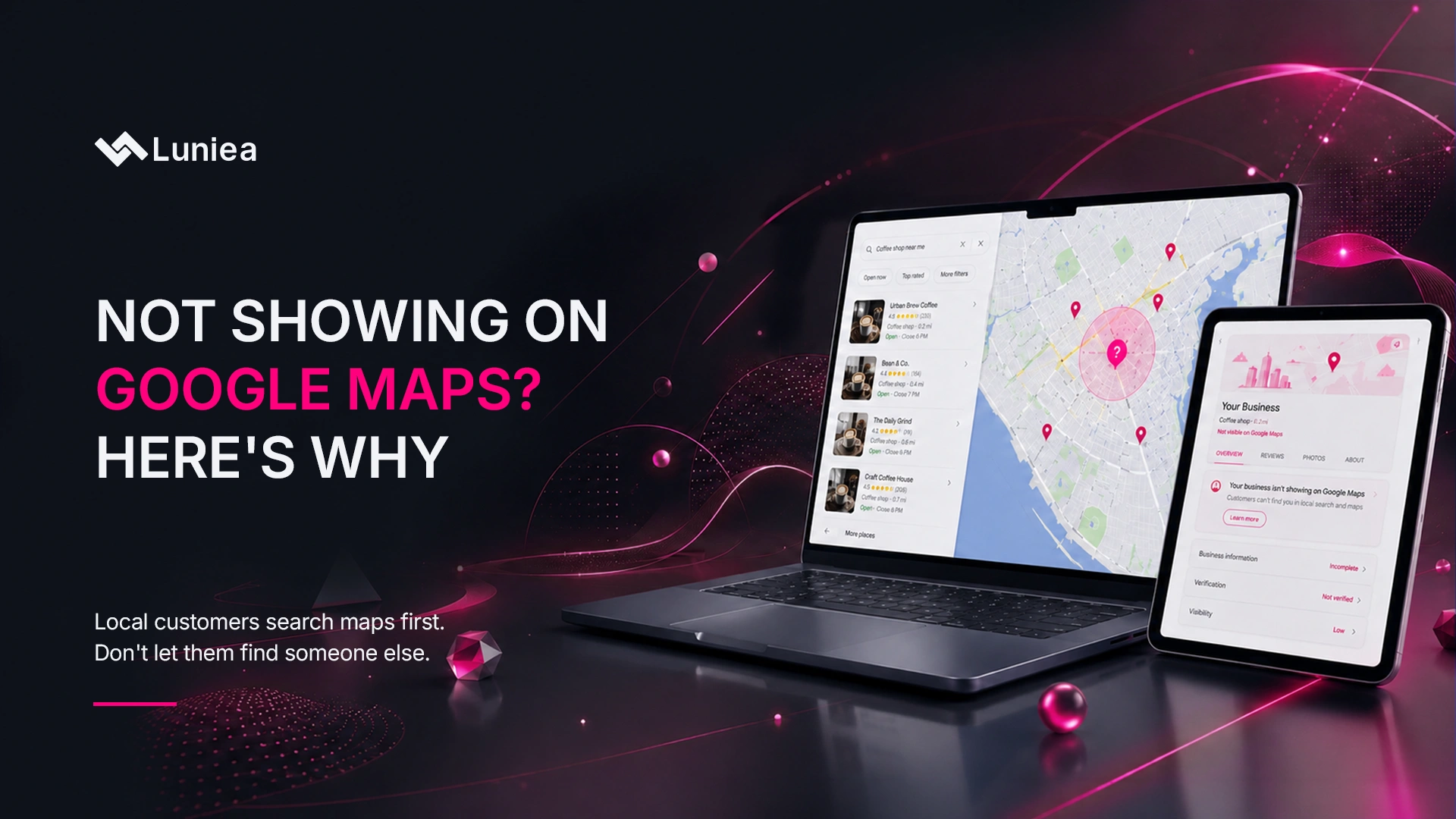
What’s Wrong With Your SEO Approach?
Why some teams keep ranking but never grow and what to fix today.
Too many businesses measure SEO by rankings alone. But top positions mean little if visitors don’t convert, engage, or return. Real SEO builds visibility and, just as importantly, trust: useful content, a fast and logical website, and marketing that works together. Here’s what’s probably wrong with your SEO approach and practical fixes that generate long-term organic growth.
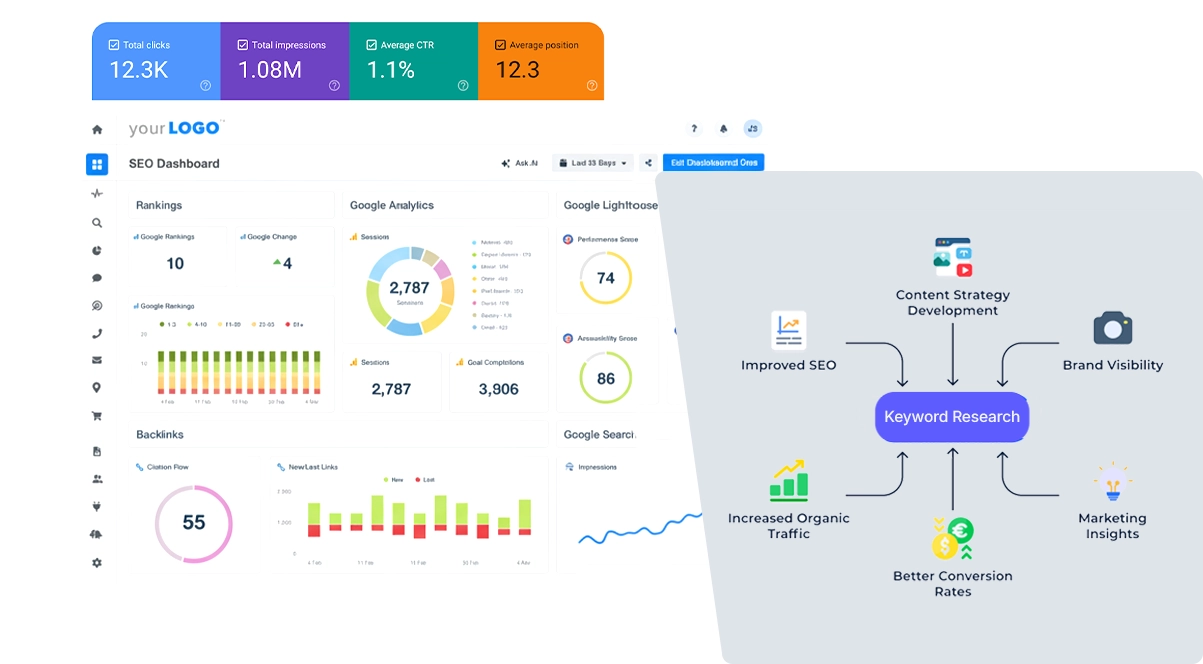
Table of Contents
Why ranking isn’t the real goal
Many teams obsess over page-one positions and keyword reports. The problem:
- High rank, low conversion. Traffic that doesn’t match intent inflates sessions but not revenue.
- Short-term wins. Tactical tricks can temporarily boost rank but fail when algorithms update.
- Wrong metrics. Measuring rankings without tracking leads, revenue, or engagement gives a false picture.
Fix it:
- Track outcomes, not positions. Prioritize goal-based metrics: organic leads, assisted conversions, revenue per visitor, and engagement metrics (time on page, bounce rate by intent).
- Map keywords to funnel stages. Target informational queries for awareness, commercial queries for consideration, and transactional queries for conversion.
- Use experiments. A/B test meta titles, CTAs, and page layouts to see what moves business metrics, not just rank.
SEO without content is weak
Search engines reward helpful, consistent, and relevant content. A technical SEO foundation helps, but content is the signal that earns clicks, links, and trust.
Common content problems:
- Thin or duplicate pages that add no value.
- Irregular publishing that confuses search engines and audiences.
- Content that targets the wrong search intent (e.g., a product page trying to satisfy “how-to” searches).
Fix it:
- Create a content plan based on search intent. For each topic, define the audience, stage of the funnel, and desired action.
- Prioritize evergreen, helpful resources that answer real questions and solve problems.
- Maintain a steady publishing cadence and update high-performing pages regularly.
- Optimize each page for one primary keyword and 2–3 related terms; use clear headers, schema where relevant, and internal links.
Your website structure matters too
Even great content fails if users and crawlers can’t access or understand it. Site speed, mobile experience, navigation, and on-page structure all influence rankings and conversions.
Typical structural issues:
- Slow loading pages that raise bounce rates.
- Confusing menus and broken internal links that prevent crawl depth.
- Poor mobile UX that reduces conversions and search visibility.
Fix it:
- Prioritize performance: compress images, use caching, and a CDN. Measure with Core Web Vitals.
- Simplify navigation and use descriptive internal links. Ensure important pages are reachable within a few clicks.
- Make pages mobile-first. Use readable fonts, tap-friendly CTAs, and avoid intrusive interstitials.
- Implement logical URL structures and breadcrumbs; add structured data (FAQ, Article, Product) where appropriate.
Disconnected marketing creates weak results
SEO doesn’t work in isolation. When content, website, and user experience are disconnected from wider marketing : social, email, paid, sales growth stalls.
Symptoms of disconnection:
- Content that never reaches an audience because promotion is missing.
- SEO goals that aren’t aligned to sales/marketing KPIs.
- No feedback loop from sales or customer success to inform content needs.
Fix it:
- Create integrated playbooks. Coordinate blog launches with email, social, and paid amplification.
- Align KPIs across teams: organic conversions, qualified leads, and LTV-driven metrics.
- Use cross-team feedback to shape content: ask sales what prospects ask, ask support which articles customers need.
- Reuse and repurpose high-performing content into newsletters, video, and social posts to amplify reach and authority.
Real SEO is about building visibility + trust
Think of SEO as a systems challenge, not a checklist. The businesses that win long-term organic growth follow a repeatable process:
- Research: audience, intent, and competitive landscape.
- Create: helpful content designed to match user intent and business goals.
- Optimize: technical SEO, on-page elements, and page experience.
- Promote: distribution via owned and earned channels.
- Measure & Iterate: track outcomes, learn, and refine.
Example quick wins
- Convert high-traffic but low-converting pages: add targeted CTAs, trust signals (testimonials, case studies), and clearer next steps.
- Fix slow pages: compress hero images, defer noncritical scripts, enable caching expect measurable drop in bounce.
- Align a content piece to a transactional keyword and pair it with an email campaign to accelerate conversions.
How Luniea helps
At Luniea, we build organic growth systems that connect content, technical SEO, and UX into a single strategy. We focus on business outcomes not vanity metrics and create repeatable processes that scale long-term visibility and trust.
Contact Luniea today to turn your SEO approach into a predictable growth engine.