How We Plan a Digital System
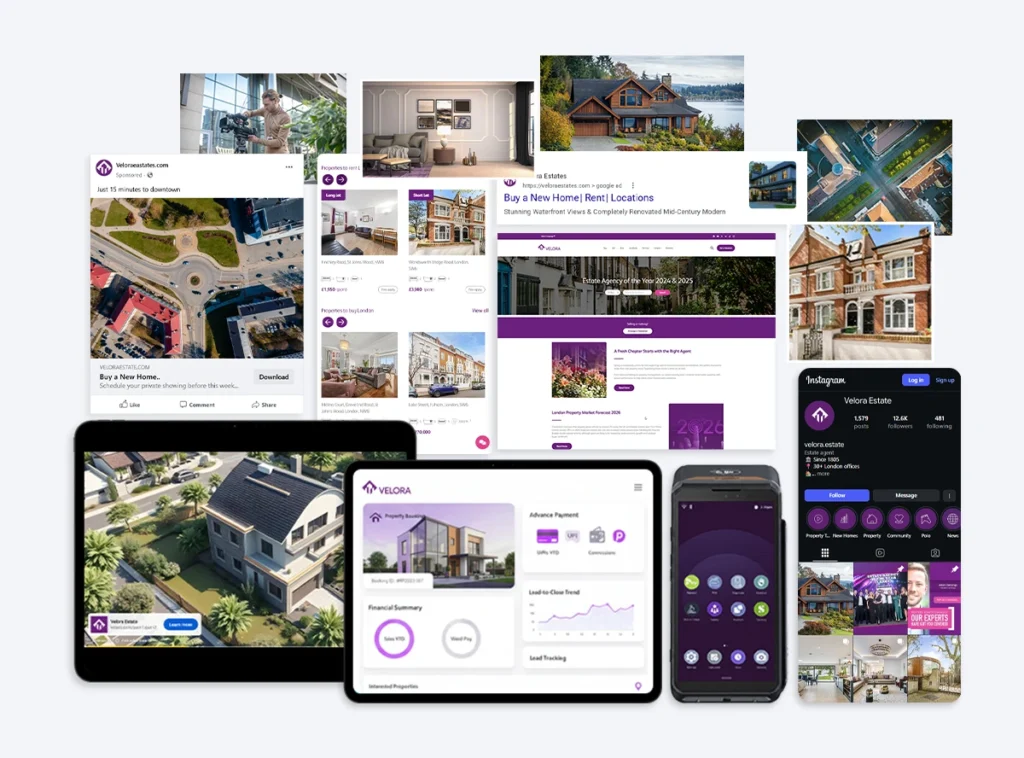
A practical breakdown of how we plan a digital system and why structured digital ecosystems consistently outperform disconnected marketing efforts. This guide explains how websites, SEO, content marketing, paid advertising, tracking, and conversion systems are strategically connected to support long-term business growth and lead generation.
Table of Contents
Introduction: Why Businesses Need a Digital System
Many businesses invest in websites, SEO, social media, and paid advertising independently without understanding how these components should work together. On the surface, the business appears active online, but internally the marketing structure is fragmented. Campaigns generate traffic without conversions, content creates visibility without leads, and websites fail to support the overall growth process.
This is one of the biggest reasons businesses struggle with inconsistent digital performance. Understanding how we plan a digital system helps solve this issue because digital growth is not created through isolated activities. Sustainable growth happens when every digital channel supports a connected objective within a structured system.
A strong digital system creates alignment between visibility, user experience, lead generation, and optimization. Instead of operating as separate marketing activities, every component contributes toward measurable business outcomes.
What “How We Plan a Digital System” Actually Means
When we explain how we plan a digital system, we are referring to a complete digital structure where every marketing element is intentionally connected. This includes:
- Website structure
- SEO strategy
- Content planning
- Paid advertising
- Landing pages
- Conversion pathways
- Analytics systems
- Lead generation processes
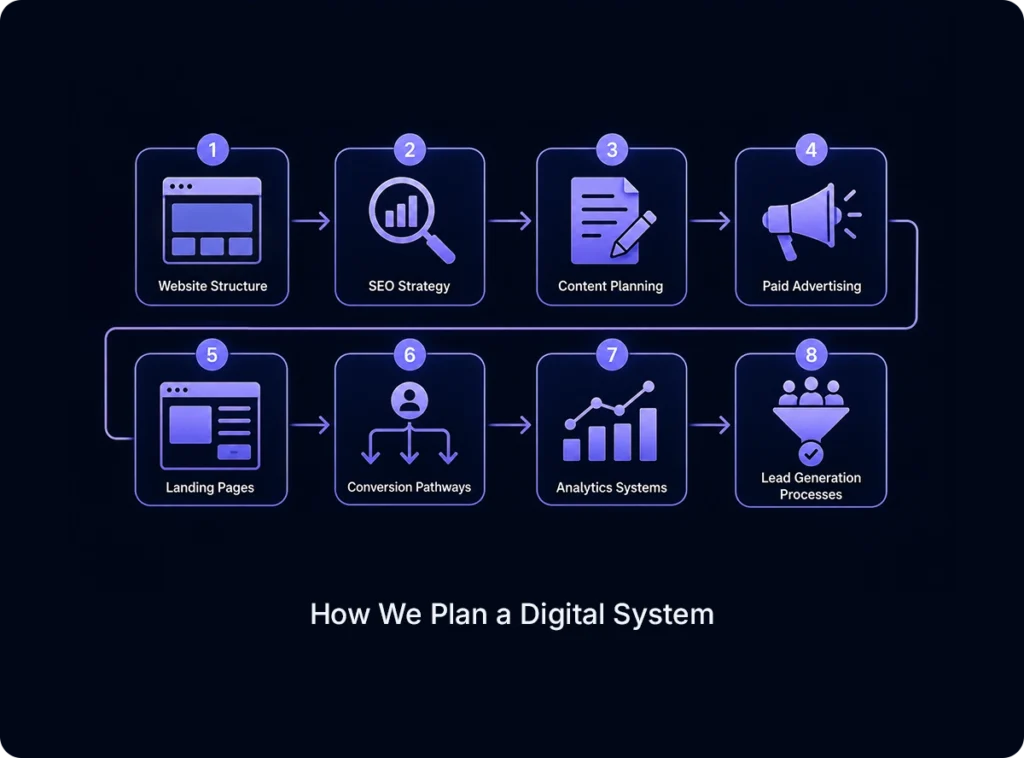
The purpose of the system is not simply to create online visibility. The goal is to guide users from discovery to conversion through a clear and measurable digital journey. A properly planned digital system ensures that traffic, engagement, and conversions are supported by infrastructure rather than relying on isolated campaigns or random content activity.
Why Random Marketing Creates Inconsistent Results
Many businesses experience unstable lead generation because their marketing activities lack strategic connection. They may run ads, publish social media content, and optimize SEO independently without creating a unified structure that supports conversions. This usually creates several problems:
- Inconsistent messaging
- Weak user journeys
- Poor conversion rates
- Inefficient ad spending
- Difficulty tracking performance
- Unclear growth direction
Without a connected system, businesses often react to short-term performance fluctuations instead of building long-term digital stability. Understanding how we plan a digital system helps businesses move away from reactive marketing and toward structured growth strategies.
How We Plan a Digital System Step by Step
A successful digital system is built through multiple connected stages. Each stage supports a different part of the customer journey while contributing to the overall business objective.
1. How We Plan a Digital System Through Business Goal Analysis
The first step in how we plan a digital system is understanding the business objective clearly. Every digital strategy should support a measurable outcome rather than operating without direction. Depending on the business model, goals may include:
- Lead generation
- Consultation bookings
- Product sales
- Service inquiries
- Brand visibility
- Long-term customer acquisition
Defining these goals early helps structure the entire digital ecosystem more effectively. Without clear objectives, marketing channels often become disconnected and inefficient.
2. How We Plan a Digital System With Audience & Customer Journey Mapping
A digital system becomes more effective when it is built around user behavior rather than assumptions. This stage focuses on understanding:
- Who the target audience is
- What problems users are trying to solve
- How users search online
- What influences purchasing decisions
- Where hesitation happens during conversion
Customer journey mapping helps create a smoother experience from awareness to inquiry or purchase. Instead of treating all users the same, the digital system is designed around intent, behavior, and decision-making stages.
3. How We Plan a Digital System Around Website Structure
The website acts as the foundation of the digital system because every marketing channel eventually directs users toward it. A properly planned website structure focuses on:
- Clear navigation
- SEO-friendly architecture
- Conversion-focused layouts
- Mobile responsiveness
- Page speed optimization
- Landing page integration
- User-friendly experience
The website should not function as a static online brochure. It should actively support lead generation, trust-building, and conversion pathways. This is one of the most important aspects of how we plan a digital system because weak website structure affects every other marketing channel negatively.
4. How We Plan a Digital System With SEO & Content Planning
SEO and content strategy are essential for building long-term visibility and authority. When planning a digital system, content is structured around:
- Search intent
- Industry-related topics
- Keyword opportunities
- User education
- Conversion support
SEO-focused content helps businesses attract users organically while building credibility over time. Instead of publishing random blog posts, the content strategy is aligned with:
- User problems
- Search behavior
- Service relevance
- Funnel stages
5. How We Plan a Digital System for Paid Advertising
Paid advertising becomes more effective when it is integrated into the larger digital structure rather than operated independently. Advertising campaigns are planned around:
- Audience intent
- Landing page relevance
- Conversion goals
- Tracking systems
- Funnel alignment
Instead of focusing only on traffic volume, campaigns are optimized for measurable outcomes such as qualified leads and inquiries. This approach improves:
- Lead quality
- ROI
- Conversion rates
- Campaign stability
Understanding how we plan a digital system helps businesses realize that ads perform better when connected to strong infrastructure.
6. How We Plan a Digital System With Conversion System Design
One of the most important parts of a digital system is the conversion structure. Many businesses generate traffic but fail to convert users because there is no clear path toward action. Conversion-focused systems usually include:
- Landing pages
- Contact forms
- CTA sections
- Booking systems
- Inquiry flows
- WhatsApp integration
- Trust signals
7. How We Plan a Digital System With Analytics & Tracking Setup
Tracking systems are essential because they provide visibility into user behavior and campaign performance. Without analytics, businesses cannot accurately identify:
- Which channels generate leads
- Where users drop off
- Which pages perform best
- Which campaigns waste budget
A properly planned digital system includes:
- Google Analytics
- Conversion tracking
- Search Console integration
- Funnel analysis
- User behavior tracking
8. How We Plan a Digital System Around User Experience
User experience plays a major role in digital performance because users make decisions quickly based on clarity, trust, and usability. A strong user experience reduces friction by improving:
- Navigation simplicity
- Content readability
- Mobile usability
- Conversion accessibility
- Information clarity
When users can understand the business quickly and navigate smoothly, conversion probability increases significantly. This is why user experience is deeply connected to how we plan a digital system effectively.
The Connection Between SEO, Ads, and Content
SEO builds long-term visibility | Content improves authority and engagement | Paid ads generate targeted traffic quickly.
SEO, paid advertising, and content marketing should not operate independently. When these systems work together, businesses create stronger digital momentum and more stable lead generation performance. This interconnected approach is a core part of how we plan a digital system successfully.
Common Mistakes Businesses Make Without a Digital System
These issues usually happen because marketing channels are managed individually instead of strategically connected. Businesses operating without a structured digital system often experience recurring problems such as:
- Random marketing activity
- Weak conversion pathways
- Inconsistent branding
- Poor tracking visibility
- Low-quality traffic
- Unstable lead generation
- Disconnected campaigns
Why Digital Systems Perform Better Than Isolated Marketing
A structured digital system creates consistency because every marketing component supports the same objective. Instead of relying on temporary performance spikes, businesses build a stable growth structure where:
- Traffic supports conversions
- Content supports SEO
- Ads support lead generation
- Analytics support optimization
This creates better long-term scalability and more predictable marketing performance.
Long-Term Benefits of a Structured Digital System
Businesses that understand how we plan a digital system usually experience stronger long-term performance because their digital infrastructure becomes more organized and measurable. Long-term benefits often include:
- Better lead consistency
- Improved conversion rates
- Higher SEO visibility
- More efficient advertising
- Stronger brand trust
- Better decision-making through analytics
Over time, the system becomes easier to optimize because every component is connected strategically.
Conclusion: Growth Requires Connected Systems
Understanding how we plan a digital system helps businesses move beyond fragmented marketing toward a more structured and scalable growth model. Successful digital performance is not created through isolated activities or short-term campaigns. It comes from systems where websites, SEO, content, advertising, tracking, and conversion strategies all work together toward measurable business goals.
When every component is aligned properly, businesses create stronger visibility, better lead generation, and more sustainable long-term growth. The goal is not simply to be active online. The goal is to build a digital system that consistently supports real business outcomes over time.